Restaurant Tenant Improvements
Restaurant Tenant Improvements Support Efficient Operations, Exceptional Dining Experiences, and Long-Term Business Success
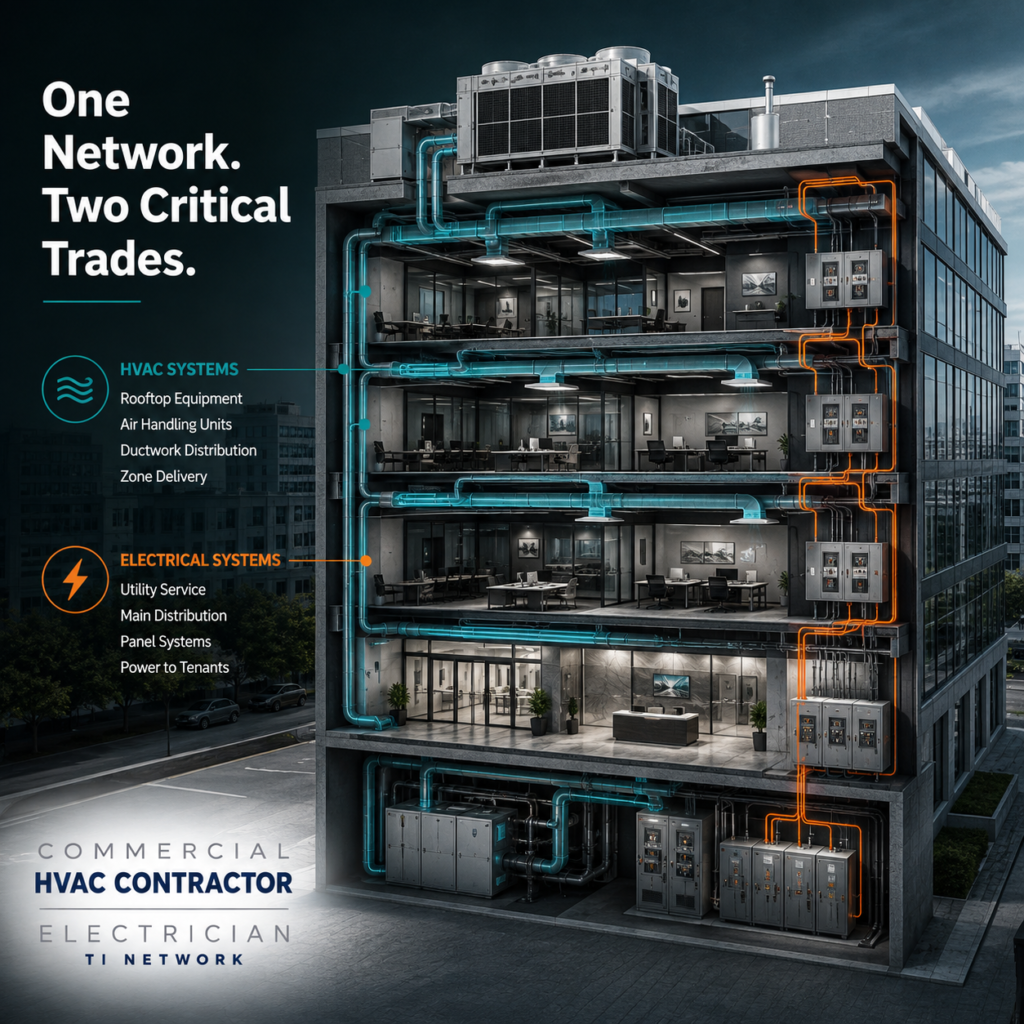
Restaurant tenant improvements require specialized planning that balances commercial kitchen operations, customer experience, food safety, building infrastructure, and operational efficiency. Whether opening a new restaurant, renovating an existing dining space, converting a retail suite into a food service establishment, or expanding a successful concept, tenant improvements help restaurants operate more efficiently while creating memorable experiences for guests.
Unlike traditional commercial offices or retail spaces, restaurants require carefully coordinated mechanical, electrical, plumbing, ventilation, fire protection, and kitchen systems that support both front-of-house and back-of-house operations.
Tenant Improvement Contractor Near Me provides educational resources that help restaurant owners, franchise operators, developers, property managers, architects, engineers, commercial real estate professionals, and contractors better understand restaurant tenant improvements from planning through project completion.
Every Restaurant Has Different Operational Requirements
Restaurant construction varies depending on the concept, menu, customer volume, and service model. Common restaurant types include:
- Full-service restaurants
- Quick-service restaurants (QSR)
- Fast-casual restaurants
- Fine dining establishments
- Cafés and coffee shops
- Breweries and taprooms
- Food halls
- Bakery and dessert shops
- Pizza restaurants
- Multi-unit restaurant chains
Each restaurant requires customized planning based on kitchen equipment, seating capacity, customer flow, staffing, and future operational growth.
Common Restaurant Tenant Improvements
Common tenant improvements include:
- Commercial kitchen build-outs
- Dining room renovations
- Bar construction
- Food preparation areas
- Walk-in cooler and freezer installation
- Kitchen equipment installation
- Customer waiting areas
- Restroom renovations
- Host stations
- Outdoor dining spaces
- Interior finishes
- Custom millwork
- Decorative lighting
- Point-of-sale infrastructure
The right scope depends on the building, the tenant’s operations, and long-term goals.
Mechanical, Electrical, and Plumbing Systems Are Essential
Key building system improvements include:
- Commercial kitchen ventilation
- Type I and Type II exhaust hoods
- Grease interceptor systems
- Plumbing upgrades
- Natural gas piping
- High-capacity electrical systems
- Dedicated kitchen equipment circuits
- HVAC systems
- Fire suppression systems
- Walk-in refrigeration infrastructure
- Building automation systems
- Data and communications infrastructure
Properly designed infrastructure helps support food preparation, kitchen operations, employee safety, and code compliance.
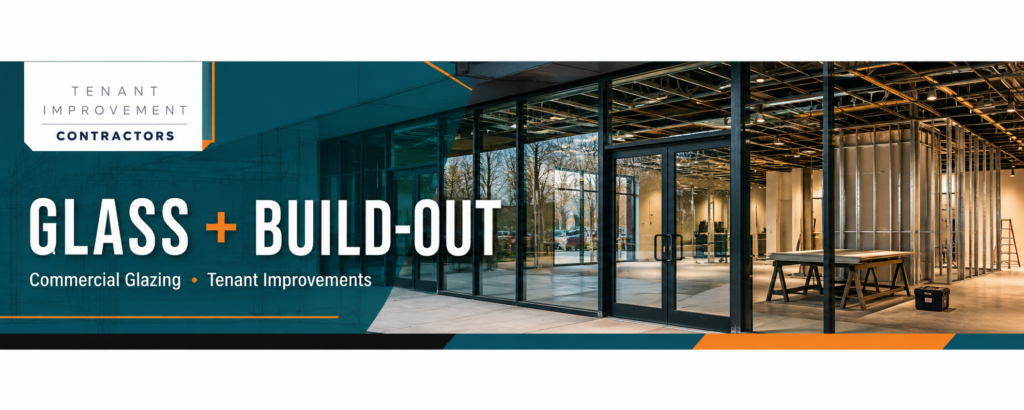
Restaurant Design Shapes the Customer Experience
Successful restaurant design supports both operational efficiency and guest comfort. Popular improvements include:
- Open kitchen concepts
- Flexible dining layouts
- Bar and lounge seating
- Private dining rooms
- Outdoor patios
- Acoustic improvements
- Contemporary lighting
- Custom branding elements
- ADA-accessible dining areas
Thoughtful restaurant design enhances customer satisfaction while improving staff workflow and table turnover.
Restaurants Often Renovate While Remaining Open
Effective construction approaches include:
- Phased construction
- Temporary dining areas
- Dust containment
- Noise management
- Food safety protection
- After-hours construction
- Weekend scheduling
- Business continuity planning
Careful project management helps restaurants reduce downtime while protecting customer experience.
Restaurant Improvements Support Business Growth
Restaurant owners often renovate to improve efficiency, increase seating capacity, or expand services. Growth-related improvements often include:
- Expanded kitchens
- Additional dining space
- Outdoor seating
- Enhanced bar service
- Modern kitchen equipment
- Drive-thru additions
- Takeout and delivery stations
- Future operational flexibility
Planning for growth helps restaurants adapt to changing customer preferences while improving profitability.
Questions Restaurant Owners Frequently Ask
Frequently asked questions include:
- How can construction minimize business interruptions?
- Which kitchen systems should be upgraded first?
- How should dining areas maximize seating without sacrificing comfort?
- What ventilation systems are required?
- How can energy efficiency be improved?
- Which improvements create the greatest return on investment?
- How can restaurants prepare for future delivery and takeout demand?
- What upgrades improve long-term operational efficiency?
Early planning often reduces construction delays while supporting stronger business outcomes.
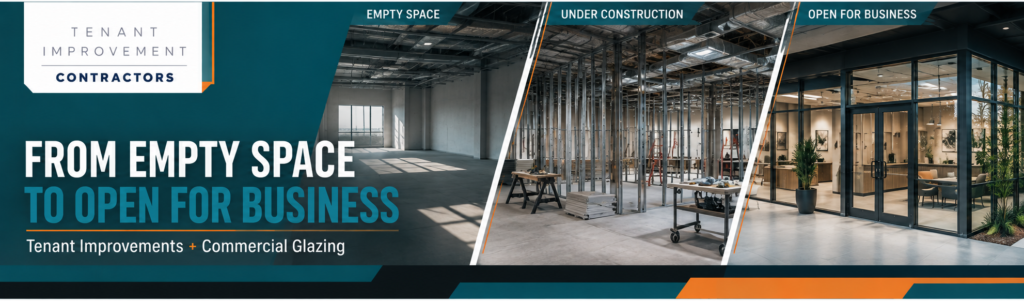
Preparing Restaurants for the Future
Future-focused improvements often include:
- Flexible dining layouts
- Smart kitchen technology
- High-efficiency HVAC systems
- Energy-efficient kitchen equipment
- Building automation systems
- Digital ordering infrastructure
- Sustainable building materials
- Outdoor dining flexibility
- Enhanced pickup and delivery areas
- Future operational adaptability
Preparing restaurants for future business needs helps owners remain competitive while protecting long-term investments.
Why Restaurant Tenant Improvements Matter
Restaurants combine hospitality, food service, customer experience, specialized building systems, and operational efficiency into one of the most demanding commercial construction environments. Well-planned tenant improvements help restaurant owners improve workflow, support modern kitchen technology, enhance guest experiences, maintain code compliance, and prepare businesses for long-term success.
Tenant Improvement Contractor Near Me provides educational resources covering restaurant build-outs, commercial kitchens, dining room renovations, food service construction, hospitality improvements, commercial building infrastructure, project coordination, code compliance, and long-term restaurant facility performance.
Whether opening a new restaurant, renovating an established dining room, expanding a commercial kitchen, converting retail space into a food service operation, modernizing a franchise location, or preparing a restaurant for future growth, strategic tenant improvements help create high-performing hospitality environments that support exceptional dining experiences, operational excellence, and lasting business success.
Related Services
Explore more commercial construction and tenant improvement resources:
Ready to Start Your Tenant Improvement Project?

Licensed commercial general contractor serving tenant improvement and build-out projects across the San Francisco Bay Area.
Popular Service Areas
© 2026 Tenant Improvement Licensed Contractors. All rights reserved.