Restaurant Tenant Improvement Contractor
Commercial kitchen and dining room build-outs that get restaurants open faster, done right.
Restaurant Tenant Improvement Contractor services help commercial properties throughout the western United States prepare for new tenants, business growth, and long-term success.
Restaurant tenant improvements prepare commercial spaces for food service operations by transforming vacant, shell, or existing interiors into functional dining environments. Throughout the western United States, restaurants, cafés, breweries, food halls, quick-service restaurants, fine dining establishments, hospitality venues, mixed-use developments, and retail centers regularly undergo tenant improvements that support new concepts, franchise expansions, restaurant relocations, and changing customer expectations.
Restaurant tenant improvements involve far more than interior remodeling. Successful projects require coordinating commercial kitchens, ventilation systems, plumbing, electrical infrastructure, grease management, fire protection, accessibility, health department requirements, building permits, inspections, and construction scheduling while preparing restaurants for efficient daily operations.
Restaurant Tenant Improvement Contractor provides educational resources that help restaurant owners, developers, property managers, architects, engineers, commercial real estate professionals, franchise operators, and general contractors better understand restaurant construction throughout the western United States.
Restaurant Spaces Continue To Evolve With Changing Consumer Expectations
Modern restaurants balance customer experience with operational efficiency behind the scenes.
Restaurant tenant improvement projects frequently include:
- First-generation restaurant build-outs
- Second-generation restaurant renovations
- Quick-service restaurants
- Full-service dining rooms
- Coffee shops and cafés
- Breweries and taprooms
- Food halls
- Commercial kitchen expansions
Rather than constructing new buildings, many restaurant operators invest in tenant improvements that reduce startup costs, improve customer experience, accelerate openings, and strengthen long-term business performance.
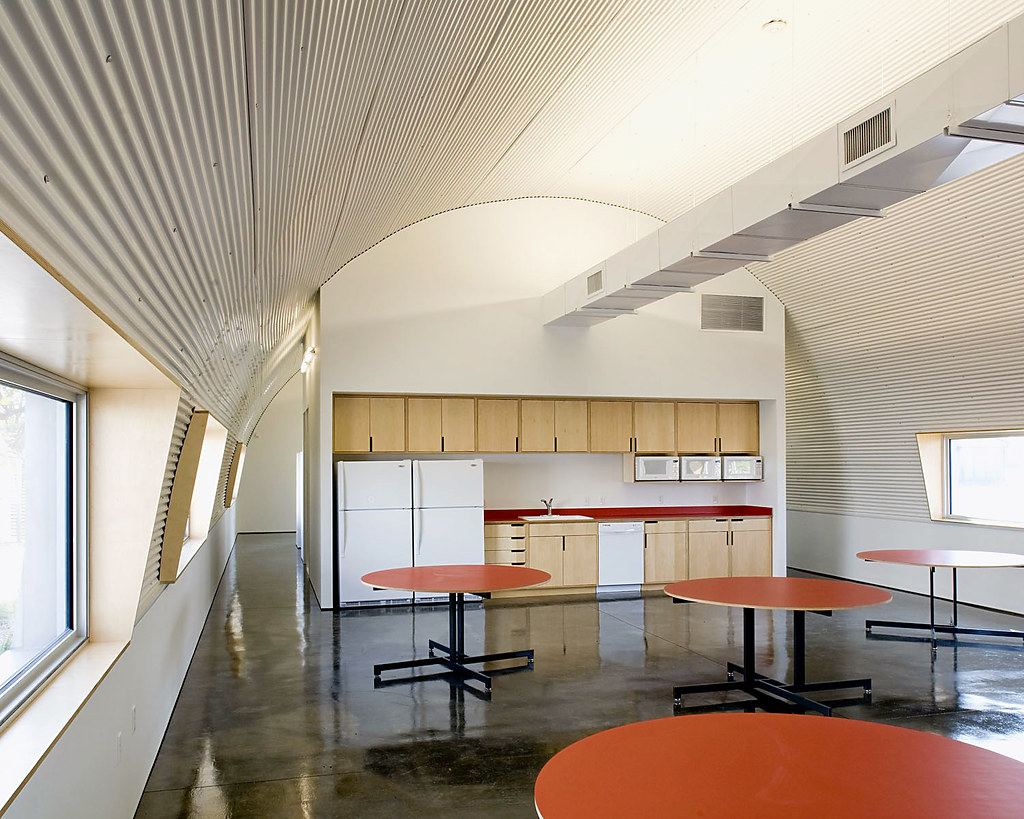
Every Restaurant Build-Out Has Different Operational Requirements
No two restaurant concepts require the same construction approach.
Common project considerations include:
- Kitchen layout
- Dining room capacity
- Health department approvals
- Building permits
- Fire and life safety requirements
- ADA accessibility
- Construction budgets
- Grand opening schedules
Every restaurant project reflects different menu concepts, equipment requirements, staffing needs, customer flow, and operational priorities.
Restaurant Construction Requires Specialized Building Systems
Food service facilities rely on carefully coordinated infrastructure throughout the building.
Projects commonly involve:
- Interior demolition
- Commercial kitchen construction
- HVAC and kitchen exhaust systems
- Electrical infrastructure
- Plumbing and gas lines
- Grease interceptors
- Fire suppression systems
- Dining room finishes
Coordinating multiple specialty trades helps improve construction efficiency while supporting safe, code-compliant restaurant operations.
Western Restaurant Construction Presents Unique Challenges
Restaurant projects throughout the western United States often require specialized planning because of regional regulations and operating conditions.
Many projects involve:
- Seismic building requirements
- Energy efficiency standards
- Water conservation regulations
- Commercial kitchen ventilation
- Health department inspections
- Occupied retail centers
- Sustainability initiatives
- Urban construction logistics
Successfully completing restaurant tenant improvements requires balancing customer experience, operational efficiency, regulatory compliance, and long-term building performance.
Construction Planning Helps Businesses Open Faster
Restaurant schedules are often driven by lease commitments and planned opening dates.
Construction planning frequently includes:
- Phased construction
- Equipment coordination
- Inspection scheduling
- Utility connections
- Vendor coordination
- After-hours construction
- Weekend scheduling
- Grand opening planning
Careful project management helps reduce delays while preparing restaurants to begin serving customers as quickly as practical.
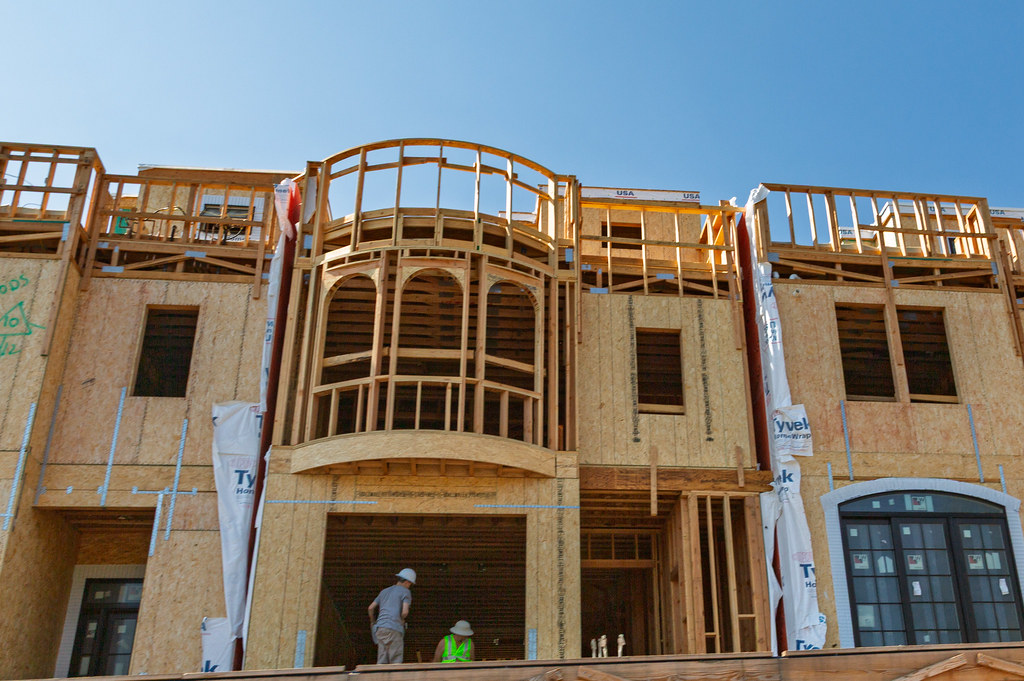
Modern Restaurant Build-Outs Focus On Long-Term Performance
Today’s restaurant environments are designed for efficiency, durability, and customer satisfaction.
Improvement strategies often include:
- Efficient kitchen layouts
- Energy-efficient lighting
- High-performance HVAC systems
- Durable commercial finishes
- Smart building technology
- Accessibility enhancements
- Flexible dining environments
- Future operational flexibility
These improvements help restaurant owners improve workflow, control operating costs, enhance customer experiences, and extend the life of commercial facilities.
Questions Restaurant Owners Frequently Ask
Restaurant tenant improvements often require balancing opening schedules with long-term operational performance.
Common questions include:
- How long will the restaurant build-out take?
- Which permits and inspections are required?
- How can construction delays be minimized?
- Which building systems should be upgraded?
- How will health department requirements affect the project?
- What improvements improve kitchen efficiency?
- How can future maintenance costs be reduced?
- Which upgrades improve customer experience?
- How can today's build-out support future restaurant growth?
Careful planning often results in smoother construction, faster openings, and stronger long-term business performance.
Preparing Restaurants For Future Success
Many restaurant owners use tenant improvements to position their businesses for long-term growth.
Future-focused improvements often include:
- Flexible dining layouts
- Technology infrastructure
- Electrical capacity upgrades
- Commercial kitchen modernization
- Energy-efficient equipment
- Accessibility improvements
- Building automation systems
- Long-term capital improvement planning
Preparing restaurant spaces for future operational needs helps improve efficiency, customer satisfaction, and long-term business success.
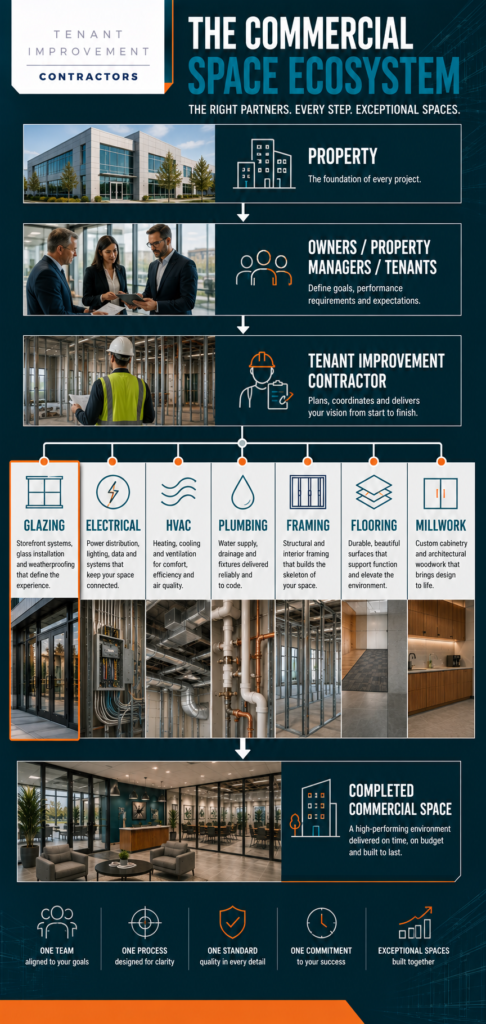
Why Restaurant Tenant Improvement Contractor Focuses On Commercial Restaurant Construction
Restaurants throughout the western United States continue evolving as consumer expectations, food service technologies, health regulations, and hospitality trends change. Professionally managed restaurant tenant improvements help existing commercial properties become successful dining destinations while supporting efficient operations, memorable customer experiences, and long-term investment value.
Restaurant Tenant Improvement Contractor provides educational resources that help restaurant owners, developers, property managers, architects, engineers, commercial real estate professionals, franchise operators, and contractors better understand restaurant build-outs, commercial kitchens, dining room construction, code compliance, health department coordination, project management, commercial construction, and long-term restaurant facility performance.
Whether completing a restaurant build-out in Seattle, renovating a café in the Bay Area, constructing a brewery in Denver, modernizing a dining space in Southern California, opening a restaurant in Phoenix, or developing a food service concept in Las Vegas, informed planning helps create commercial dining environments that serve customers efficiently while preparing businesses for long-term success. For federal accessibility requirements referenced throughout this process, see the U.S. Access Board’s ADA Accessibility Guidelines.
Related Services
Explore more commercial construction and tenant improvement resources:
Ready to Build Out Your Restaurant?
Licensed commercial contractors for tenant improvements and build-outs in Arizona, California, Colorado, Florida, Illinois, Nevada, New York, Oregon, Texas, Utah, and Washington.
Quick Links
States We Serve
© 2026 Tenant Improvement Contractors. All rights reserved.