Medical Office Tenant Improvements
Medical Office Tenant Improvements Require Specialized Planning for Patient Care, Healthcare Compliance, and Long-Term Facility Performance
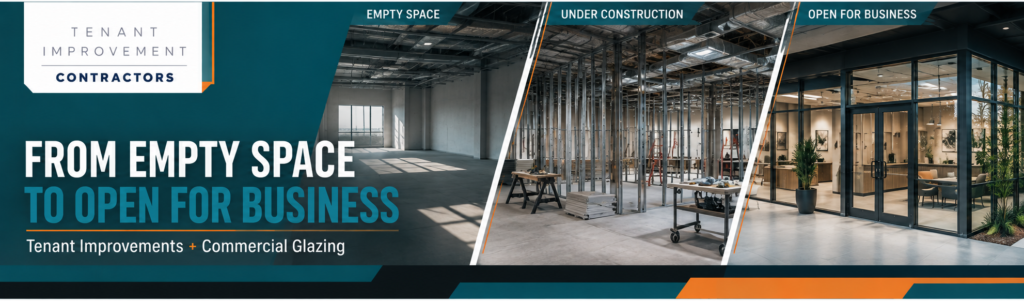
Medical offices require some of the most specialized tenant improvements in commercial construction. Unlike traditional office renovations, healthcare facilities must support patient care, staff efficiency, medical technology, infection control, privacy requirements, accessibility, and regulatory compliance while creating a comfortable environment for patients and healthcare providers.
Whether building a new medical office, renovating an existing healthcare facility, or converting commercial space into a medical practice, tenant improvements require careful planning, coordination among specialized trades, and construction strategies that minimize disruptions to ongoing patient care.
Tenant Improvement Contractor Near Me provides educational resources that help physicians, healthcare organizations, developers, property managers, architects, engineers, facility managers, and commercial property owners better understand medical office tenant improvements from planning through project completion.
Every Medical Practice Has Different Facility Requirements
Medical office renovations vary depending on the specialty, patient volume, equipment requirements, and operational goals. Common healthcare facilities include:
- Primary care offices
- Family practice clinics
- Urgent care centers
- Specialty medical practices
- Dental offices
- Orthopedic clinics
- Physical therapy facilities
- Imaging centers
- Outpatient surgery centers
- Behavioral health offices
Each healthcare facility requires customized planning to support clinical workflows, patient safety, staff productivity, and future growth.
Common Medical Office Tenant Improvements
Common tenant improvements include:
- Interior demolition
- Exam room construction
- Procedure room build-outs
- Nurses' stations
- Reception and waiting areas
- Laboratory spaces
- Administrative offices
- Break rooms
- Restroom renovations
- ADA accessibility improvements
- Medical casework and cabinetry
- Durable healthcare flooring
- Acoustical ceilings
- Specialty wall protection systems
The right scope depends on the building, the tenant’s operations, and long-term goals.
Mechanical, Electrical, and Plumbing Systems Are Critical
Key building system improvements include:
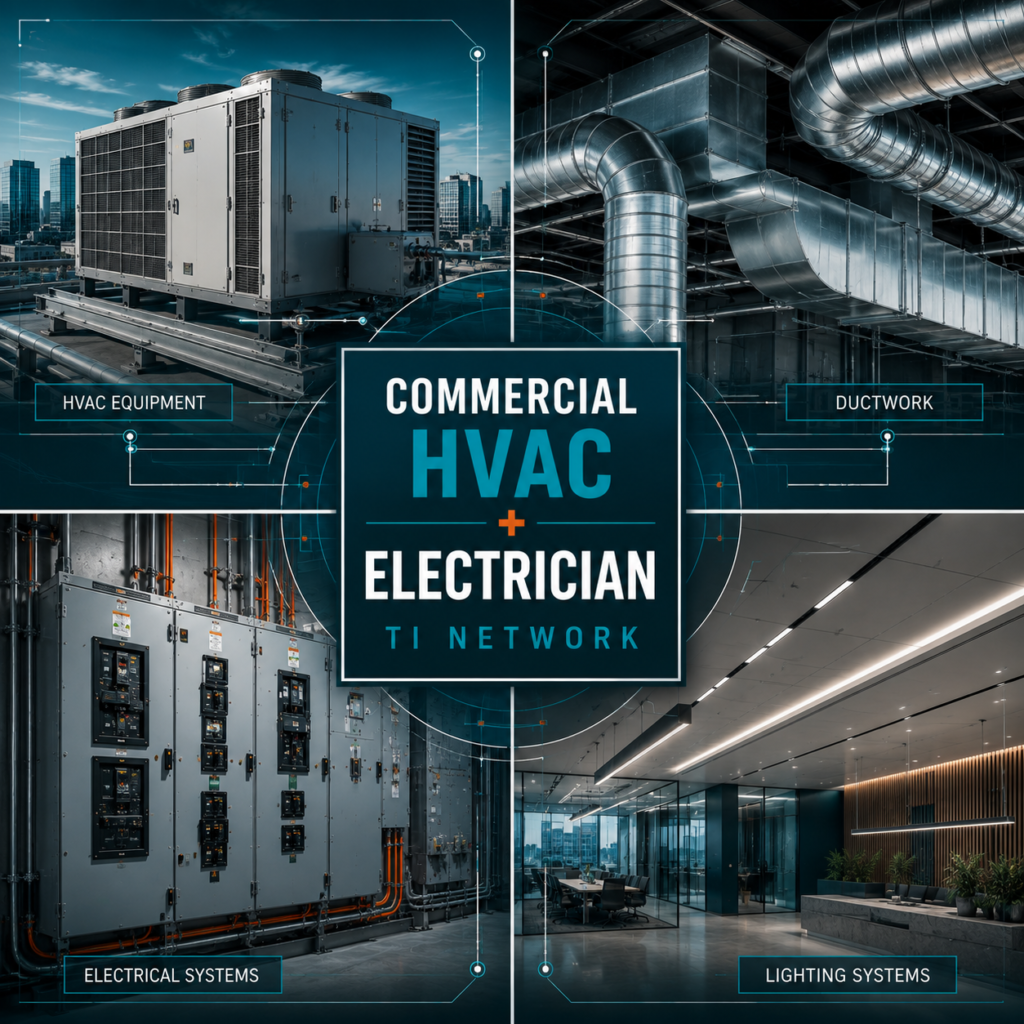
- High-performance HVAC systems
- Medical gas infrastructure (when required)
- Electrical capacity upgrades
- Emergency power planning
- Specialized lighting systems
- Plumbing modifications
- Hands-free plumbing fixtures
- Fire sprinkler improvements
- Fire alarm upgrades
- Building automation systems
- Data and communications infrastructure
Reliable building systems help support medical equipment, patient comfort, infection prevention, and day-to-day clinical operations.
Healthcare Facilities Must Balance Function and Patient Experience
Today’s medical offices are designed to improve both operational efficiency and the overall patient experience. Modern healthcare environments often include:
- Comfortable reception areas
- Private consultation rooms
- Efficient patient flow
- Accessible exam rooms
- Collaborative staff workspaces
- Telehealth capabilities
- Digital check-in systems
- Family-friendly waiting areas
- Wellness-focused interior design
Thoughtful facility design can improve workflow while creating a more comfortable and reassuring experience for patients.
Medical Offices Often Remain Operational During Construction
Effective construction approaches include:
- Phased construction
- Temporary clinical spaces
- Infection control barriers
- Dust containment
- Noise management
- After-hours construction
- Weekend scheduling
- Patient and staff safety planning
Careful project coordination helps healthcare providers maintain patient services while minimizing disruptions throughout construction.
Medical Tenant Improvements Support Long-Term Growth
Many healthcare organizations renovate existing facilities to accommodate new services, additional providers, updated technology, or growing patient populations. Common expansion goals include:
- Additional exam rooms
- Expanded treatment areas
- Improved patient circulation
- New diagnostic equipment
- Administrative office expansion
- Technology upgrades
- Flexible treatment spaces
- Future provider growth
Strategic renovations help medical practices adapt to changing healthcare needs while protecting long-term investments.
Questions Healthcare Providers Frequently Ask
Frequently asked questions include:
- How can patient care continue during construction?
- Which building systems require upgrading?
- How should exam rooms be designed for future flexibility?
- What accessibility improvements are recommended?
- How can technology be integrated into the renovation?
- What improvements increase operational efficiency?
- How can construction schedules reduce disruptions?
- Which upgrades provide the best long-term value?
Early planning often helps reduce project delays while supporting better clinical and operational outcomes.
Preparing Medical Offices for the Future
Future-focused improvements often include:
- Flexible clinical layouts
- Smart building technology
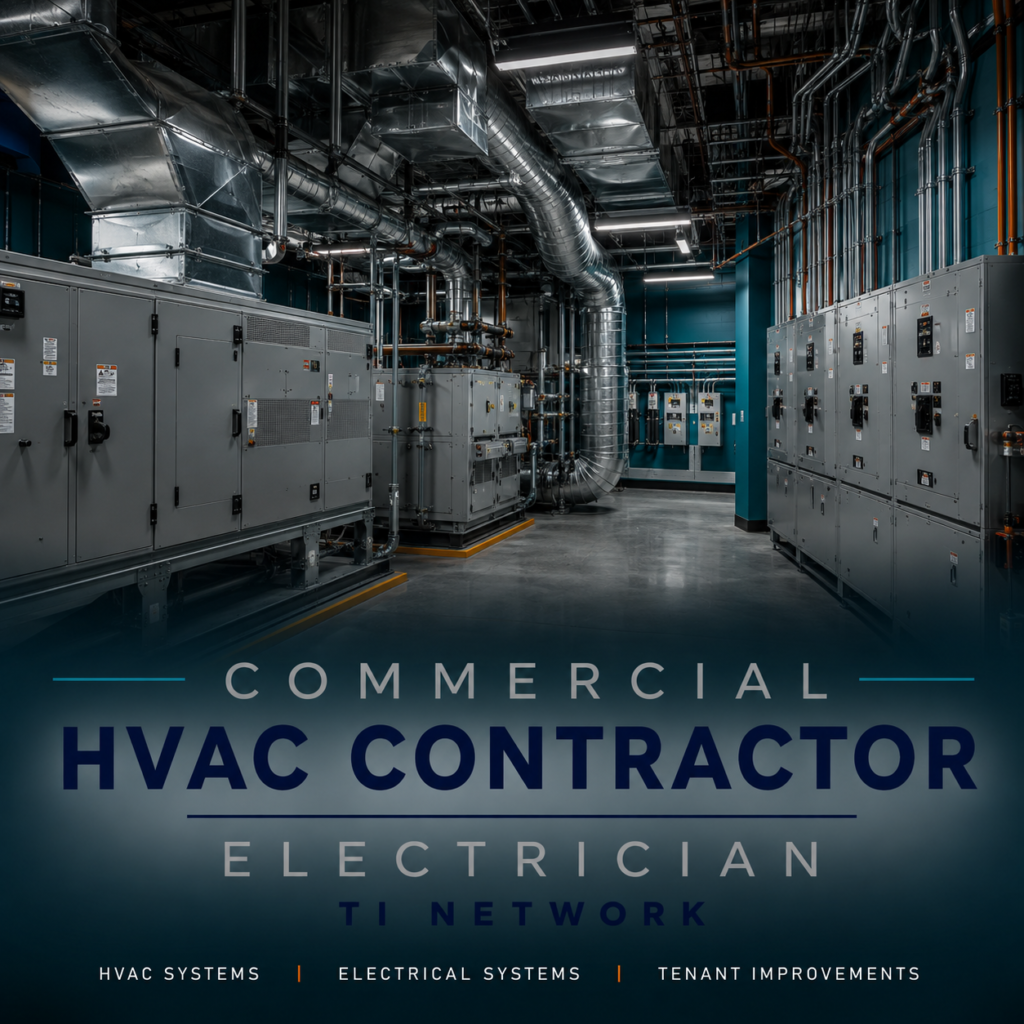
- High-efficiency HVAC systems
- Energy-efficient lighting
- Building automation systems
- Touchless fixtures
- Advanced technology infrastructure
- Accessibility enhancements
- Sustainable materials
- Long-term facility adaptability
Preparing medical offices for future healthcare delivery helps improve patient care, operational efficiency, provider satisfaction, and long-term property value.
Why Medical Office Tenant Improvements Matter
Medical offices must support patient care while meeting the operational demands of healthcare professionals and maintaining compliance with applicable building and accessibility requirements. Well-planned tenant improvements create safer, more efficient healthcare environments while helping medical practices adapt to changing technologies, patient expectations, and future growth.
Tenant Improvement Contractor Near Me provides educational resources covering medical office renovations, healthcare facility construction, clinic build-outs, outpatient medical facilities, specialty practice improvements, medical building systems, accessibility planning, project coordination, construction best practices, and long-term commercial property performance.
Whether renovating a neighborhood medical practice, expanding a specialty clinic, modernizing an outpatient healthcare facility, converting office space into a medical practice, or preparing a new medical office building for occupancy, strategic tenant improvements help create healthcare environments that support exceptional patient care while protecting long-term commercial real estate investments.
Related Services
Explore more commercial construction and tenant improvement resources:
Ready to Start Your Tenant Improvement Project?
Licensed commercial general contractor serving tenant improvement and build-out projects across the San Francisco Bay Area.
Popular Service Areas
© 2026 Tenant Improvement Licensed Contractors. All rights reserved.