Retail Center Tenant Improvements
Retail Center Tenant Improvements Support Tenant Success, Customer Experience, and Long-Term Property Value
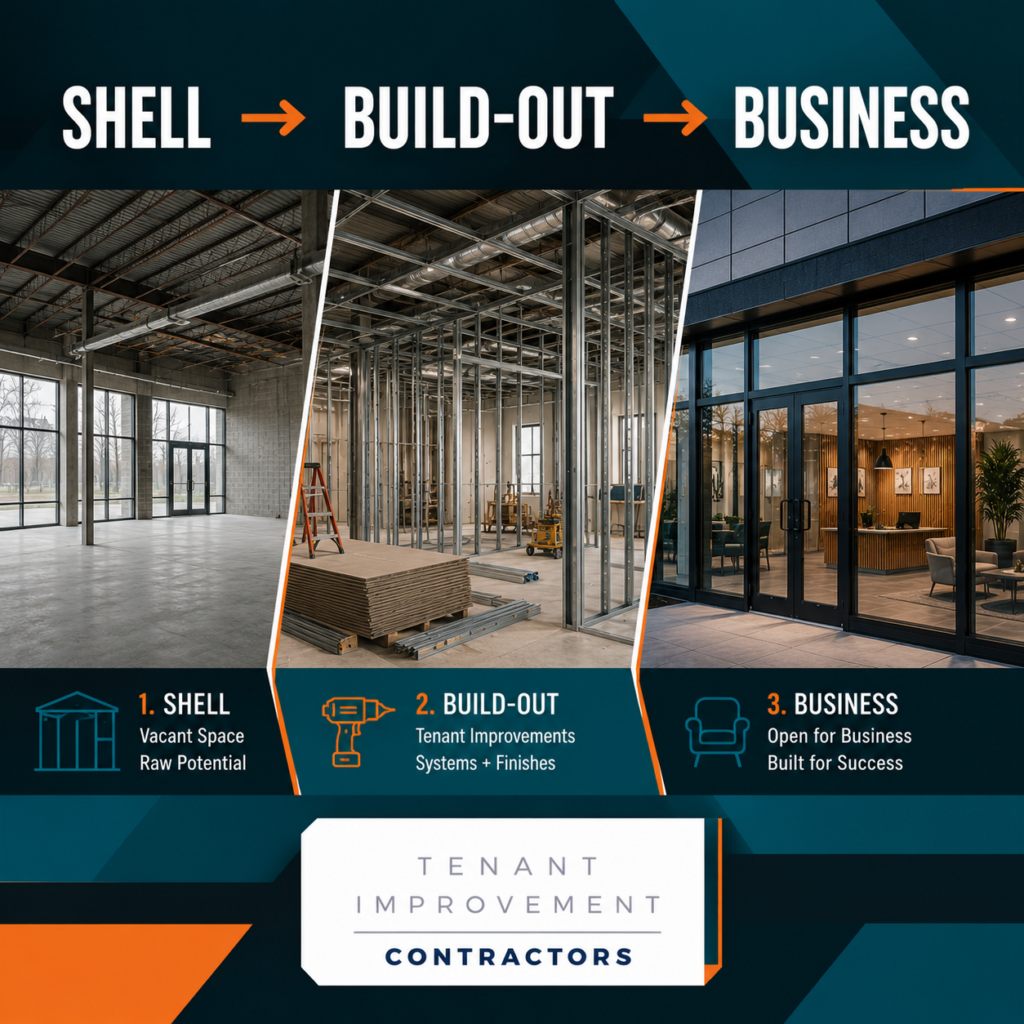
Retail centers continue evolving as consumer expectations, shopping habits, and tenant needs change. Successful retail properties must attract customers, support a diverse mix of businesses, provide modern shopping environments, and remain flexible enough to accommodate new tenants over time. Tenant improvements play a critical role in helping retail centers remain competitive while increasing occupancy, improving customer experiences, and protecting long-term commercial real estate investments.
Whether renovating a neighborhood shopping center, repositioning a lifestyle center, modernizing a regional retail destination, or preparing vacant suites for new tenants, tenant improvements require strategic planning, coordination among multiple trades, and construction scheduling that minimizes disruptions to neighboring businesses.
Tenant Improvement Contractor Near Me provides educational resources that help shopping center owners, developers, property managers, retailers, architects, engineers, commercial real estate professionals, and contractors better understand retail center tenant improvements from planning through project completion.
Every Retail Center Has Different Operational Requirements
Retail properties vary significantly depending on their tenants, customer traffic, and surrounding community. Common retail center types include:
- Neighborhood shopping centers
- Community retail centers
- Lifestyle centers
- Regional shopping centers
- Mixed-use retail developments
- Grocery-anchored centers
- Power centers
- Outlet shopping centers
- Entertainment districts
- Urban retail developments
Each property requires customized planning based on tenant mix, customer traffic, building age, and long-term leasing goals.
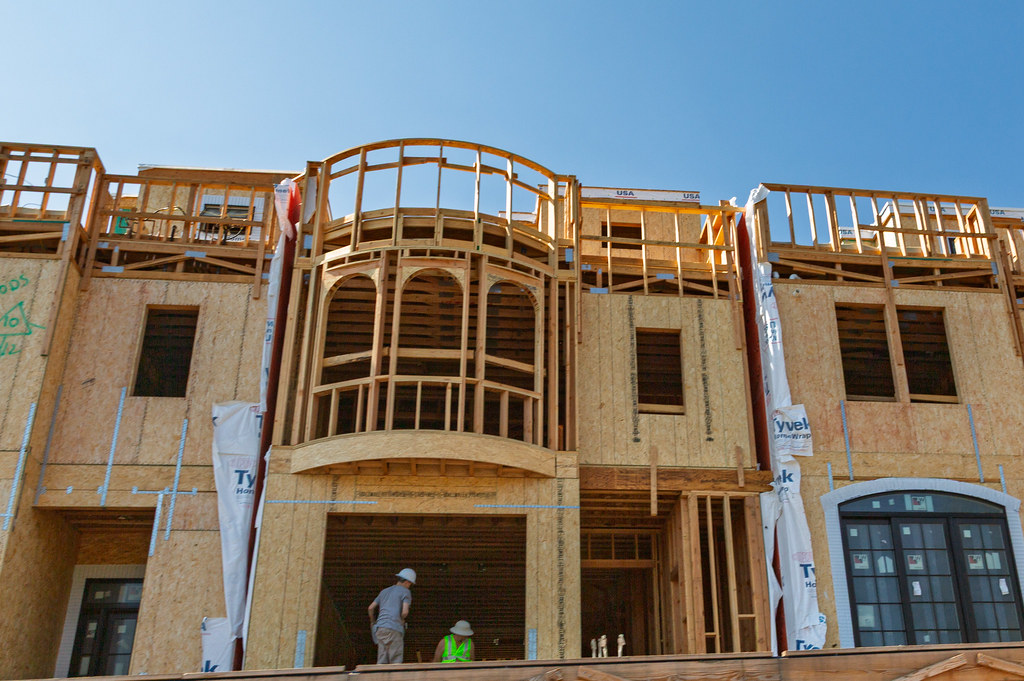
Common Retail Center Tenant Improvements
Common tenant improvements include:
- Interior tenant build-outs
- Storefront renovations
- Demising wall construction
- Common area improvements
- Food service infrastructure
- Public restroom renovations
- Flooring upgrades
- Ceiling improvements
- Lighting modernization
- Exterior façade improvements
- Wayfinding signage
- Outdoor gathering spaces
- Landscape enhancements
- Parking lot improvements
The right scope depends on the building, the tenant’s operations, and long-term goals.
Building Infrastructure Supports Diverse Retail Tenants
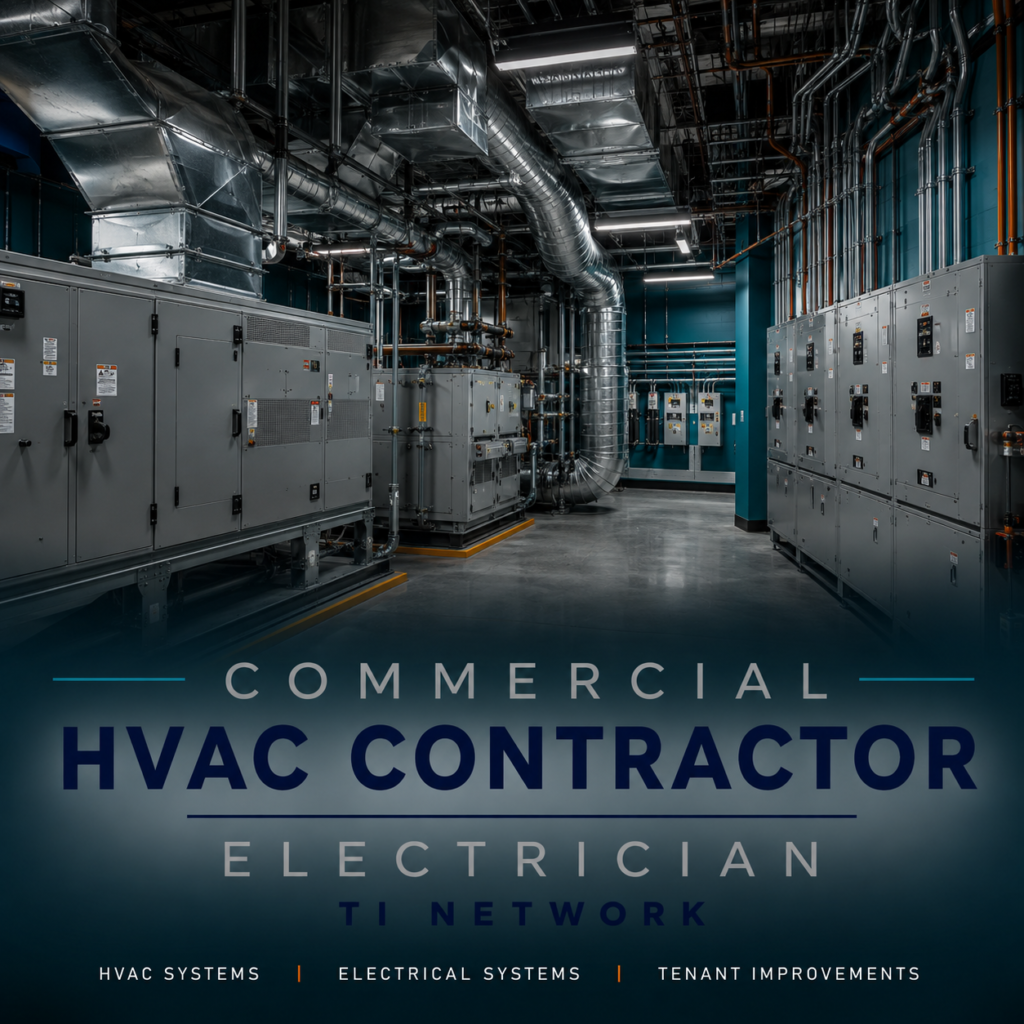
Key building system improvements include:
- Electrical service upgrades
- HVAC modernization
- Plumbing improvements
- Fire sprinkler modifications
- Fire alarm systems
- Energy-efficient lighting
- Building automation systems
- Security and surveillance
- High-speed internet infrastructure
- Outdoor lighting
- Electric vehicle charging
- Utility capacity upgrades
Flexible infrastructure allows retail centers to accommodate restaurants, service businesses, healthcare providers, fitness centers, and traditional retailers.
Modern Retail Centers Focus on Customer Experience
Today’s shoppers expect more than a place to buy products. Popular improvements include:
- Outdoor seating areas
- Public gathering spaces
- Enhanced landscaping
- Modern storefronts
- Improved accessibility
- Digital directories
- Flexible event spaces
- Pedestrian-friendly walkways
- Enhanced lighting and security
Well-designed retail environments encourage longer visits, increased customer engagement, and stronger tenant performance.
Retail Centers Often Remain Open During Construction
Effective construction approaches include:
- Phased construction
- Temporary customer access
- Pedestrian safety planning
- Dust containment
- Noise management
- After-hours construction
- Weekend scheduling
- Business continuity planning
Careful project coordination helps retailers remain open while improvements are completed safely and efficiently.
Retail Improvements Support Leasing Success
Many shopping center owners renovate vacant spaces before marketing them to prospective tenants. Common leasing improvements include:
- White box construction
- Move-in-ready retail suites
- Flexible floor plans
- Updated storefront systems
- Improved common areas
- Modern building entrances
- Enhanced curb appeal
- Future tenant flexibility
Preparing spaces for new tenants often reduces vacancy periods while improving lease opportunities.
Questions Retail Property Owners Frequently Ask
Frequently asked questions include:
- How can customers safely access businesses during construction?
- Which improvements increase leasing activity?
- How should retail suites be designed for flexibility?
- Which building systems require modernization?
- How can customer traffic be maintained during renovations?
- What improvements create the greatest return on investment?
- How should future tenant turnover be anticipated?
- Which upgrades improve long-term property value?
Early planning often improves project efficiency while minimizing operational disruptions.
Preparing Retail Centers for the Future
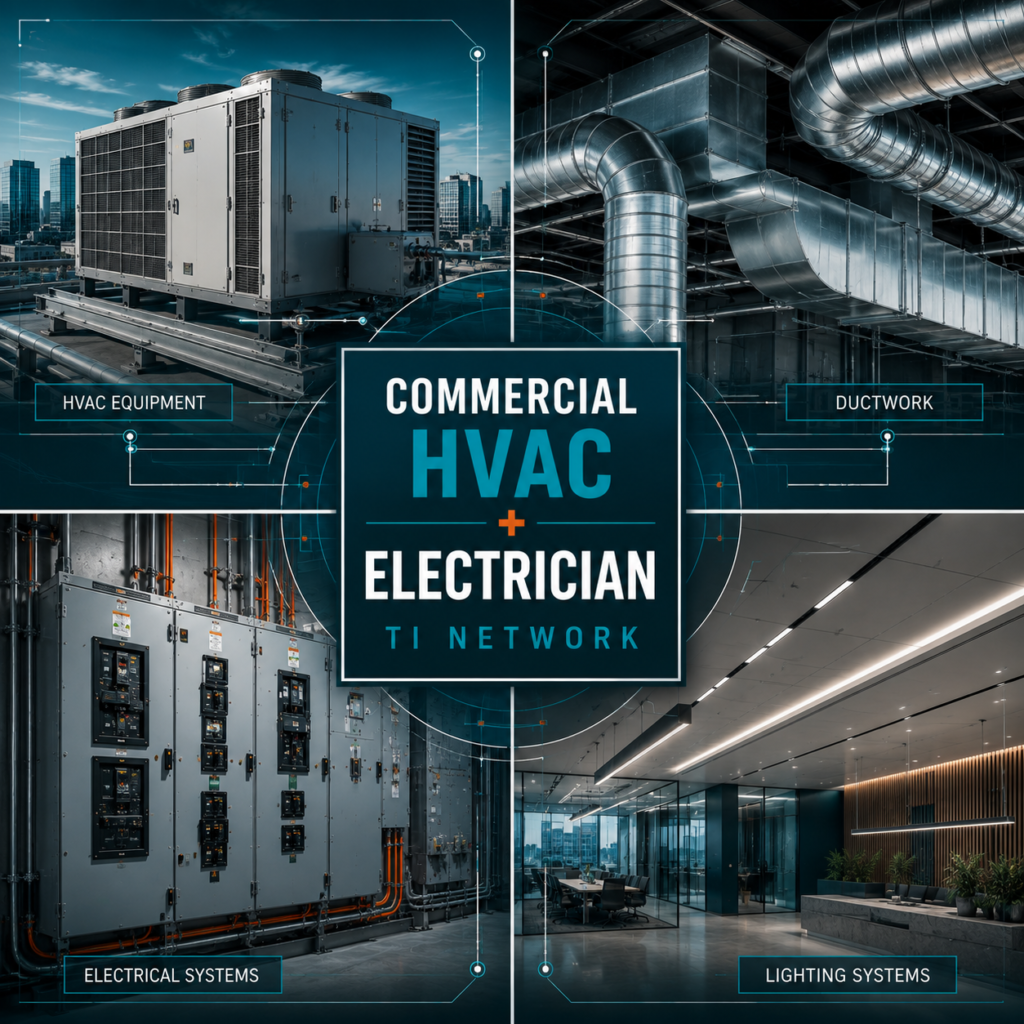
Future-focused improvements often include:
- Flexible retail suites
- Smart building technology
- Energy-efficient HVAC systems
- LED lighting
- Building automation systems
- Digital infrastructure
- Sustainable construction materials
- Electric vehicle charging
- Outdoor gathering spaces
- Future tenant adaptability
Preparing retail centers for future tenants helps improve occupancy, customer satisfaction, and long-term investment performance.
Why Retail Center Tenant Improvements Matter
Retail centers serve as commercial destinations where businesses, customers, and communities come together. Well-planned tenant improvements help property owners improve leasing opportunities, strengthen tenant retention, enhance customer experiences, modernize aging facilities, and prepare commercial properties for long-term success.
Tenant Improvement Contractor Near Me provides educational resources covering shopping center renovations, retail tenant build-outs, storefront improvements, mixed-use developments, commercial construction planning, building infrastructure, project coordination, code compliance, and long-term retail property performance.
Whether renovating a neighborhood shopping center, modernizing a lifestyle center, expanding a grocery-anchored retail development, preparing vacant suites for new tenants, or repositioning a regional retail destination, strategic tenant improvements help create attractive, flexible commercial environments that support tenant success, customer satisfaction, and long-term property value.
Related Services
Explore more commercial construction and tenant improvement resources:
Ready to Start Your Tenant Improvement Project?

Licensed commercial general contractor serving tenant improvement and build-out projects across the San Francisco Bay Area.
Popular Service Areas
© 2026 Tenant Improvement Licensed Contractors. All rights reserved.