Healthcare Campus Tenant Improvements
Healthcare Campus Tenant Improvements Support Patient Care, Clinical Operations, and Long-Term Facility Performance

Healthcare campuses bring together hospitals, medical office buildings, outpatient clinics, surgery centers, imaging facilities, laboratories, pharmacies, rehabilitation services, administrative offices, and specialty care providers into a coordinated healthcare environment. As medicine, technology, and patient expectations continue to evolve, tenant improvements help healthcare campuses improve clinical efficiency, modernize facilities, enhance patient experiences, and prepare for future growth.
Whether expanding a medical campus, renovating outpatient facilities, modernizing specialty clinics, or converting commercial space into healthcare services, tenant improvements require extensive planning, specialized infrastructure, regulatory coordination, and construction strategies that minimize disruptions to patient care.
Tenant Improvement Contractor Near Me provides educational resources that help healthcare organizations, hospital systems, medical developers, facility managers, architects, engineers, commercial real estate professionals, and contractors better understand healthcare campus tenant improvements from planning through project completion.
Every Healthcare Campus Has Different Operational Requirements
Healthcare campuses vary depending on medical specialties, patient populations, and the services they provide. Common healthcare campus facilities include:
- Hospitals
- Medical office buildings
- Ambulatory surgery centers
- Outpatient clinics
- Imaging centers
- Cancer treatment centers
- Rehabilitation facilities
- Diagnostic laboratories
- Administrative offices
- Medical education facilities
Each facility requires customized planning based on clinical operations, patient flow, technology, staffing, and future expansion.
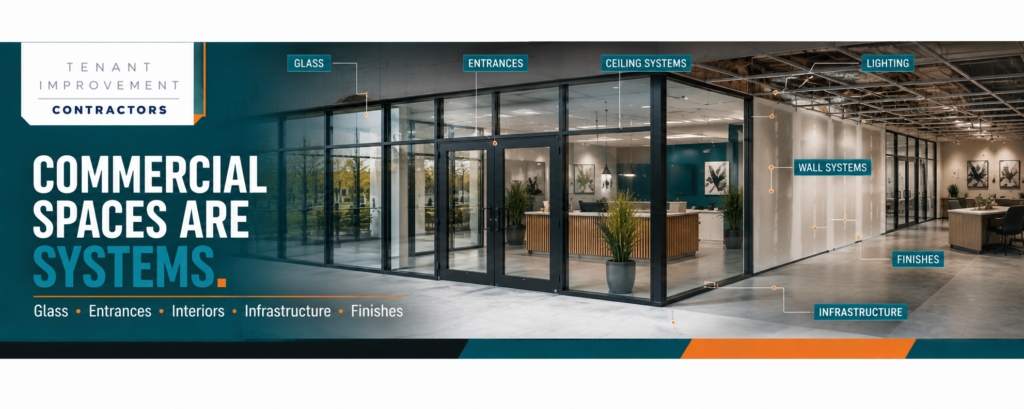
Common Healthcare Campus Tenant Improvements
Common tenant improvements include:
- Medical office build-outs
- Outpatient treatment areas
- Patient waiting rooms
- Clinical exam rooms
- Procedure rooms
- Imaging suites
- Laboratory facilities
- Administrative offices
- Pharmacy support areas
- Conference rooms
- Staff lounges
- Public restrooms
- Reception areas
- Wayfinding improvements
The right scope depends on the building, the tenant’s operations, and long-term goals.
Specialized Infrastructure Supports Clinical Operations
Key building system improvements include:
- High-performance HVAC systems
- Emergency backup power
- High-capacity electrical systems
- Medical gas systems
- Plumbing upgrades
- Fire alarm and sprinkler systems
- Building automation systems
- Security and access control
- Nurse call systems
- High-speed communications infrastructure
- Environmental monitoring
- Energy-efficient lighting
Reliable infrastructure supports patient care while improving safety, operational reliability, and long-term building performance.
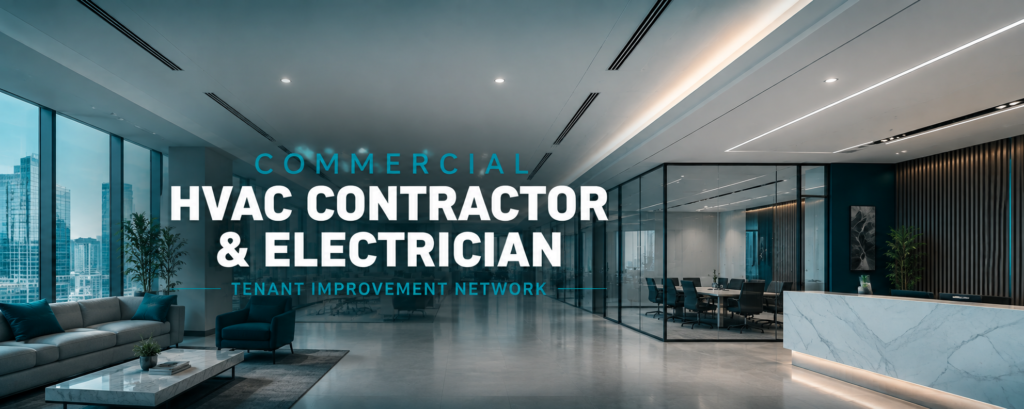
Patient Experience Remains a Central Focus
Modern healthcare campuses prioritize comfort, accessibility, efficiency, and coordinated care. Popular improvements include:
- Comfortable waiting areas
- Private consultation rooms
- Digital patient check-in
- Improved wayfinding
- Family gathering spaces
- Accessible entrances
- Staff collaboration areas
- Wellness-focused interior design
- Outdoor healing gardens
Thoughtful facility design improves patient satisfaction while supporting healthcare professionals and caregivers.
Healthcare Campuses Often Remain Operational During Construction
Effective construction approaches include:
- Phased construction
- Temporary clinical spaces
- Infection control measures
- Dust containment
- Noise management
- Patient and staff safety planning
- After-hours construction
- Operational continuity coordination
Careful project management allows healthcare providers to continue delivering essential services while improvements progress.
Healthcare Improvements Support Future Growth
Healthcare organizations frequently renovate campuses to expand services, improve technology, and respond to growing patient demand. Growth-related improvements often include:
- Expanded clinical departments
- Additional treatment rooms
- Technology modernization
- Flexible healthcare spaces
- Administrative expansion
- Research facilities
- Medical education spaces
- Future operational flexibility
Planning for future growth helps healthcare campuses adapt while protecting long-term investments.
Questions Healthcare Facility Managers Frequently Ask
Frequently asked questions include:
- Can patient care continue during construction?
- Which building systems should be upgraded first?
- How can infection risks be minimized?
- How should facilities prepare for future medical technology?
- Which improvements improve patient experience?
- How can operational disruptions be minimized?
- Which upgrades provide the greatest long-term value?
- How should future campus expansion be planned?
Early planning often reduces project risks while improving construction outcomes.
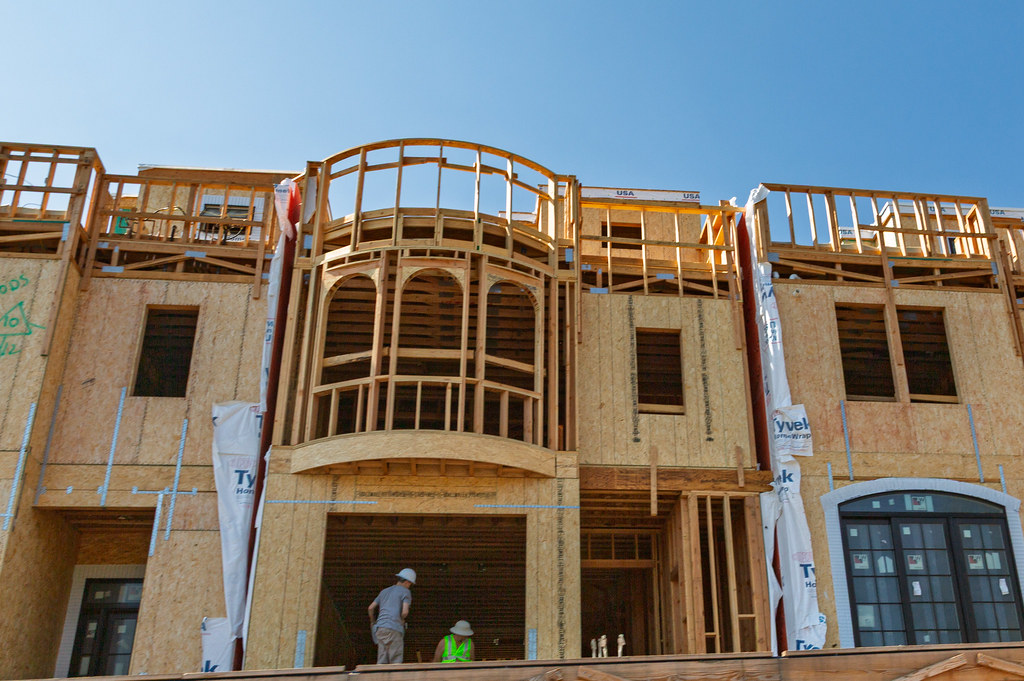
Preparing Healthcare Campuses for the Future
Future-focused improvements often include:
- Flexible clinical layouts
- Smart building technology
- High-efficiency HVAC systems
- Building automation systems
- Advanced medical technology infrastructure
- Energy-efficient lighting
- Sustainable construction materials
- Digital patient systems
- Electric vehicle charging
- Future healthcare adaptability
Preparing healthcare campuses for future medicine helps improve patient outcomes while protecting long-term healthcare real estate investments.
Why Healthcare Campus Tenant Improvements Matter
Healthcare campuses combine patient care, research, education, diagnostics, administration, and specialized medical services into highly complex commercial environments. Well-planned tenant improvements help healthcare organizations modernize facilities, improve operational efficiency, support evolving medical technologies, enhance patient experiences, strengthen clinical workflows, and maximize long-term facility performance.
Tenant Improvement Contractor Near Me provides educational resources covering healthcare campus renovations, medical office buildings, outpatient clinics, surgery centers, diagnostic facilities, commercial construction planning, healthcare infrastructure, project coordination, code compliance, and long-term medical facility performance.
Whether expanding a hospital campus, modernizing outpatient clinics, upgrading medical office buildings, renovating specialty treatment centers, improving diagnostic facilities, or preparing a healthcare campus for future growth, strategic tenant improvements help create high-performing medical environments that support exceptional patient care, operational excellence, and lasting community health.
Related Services
Explore more commercial construction and tenant improvement resources:
Explore Tenant Improvement Trades, Project Types, Guides & Locations
Every build-out connects specialty trades, the type of property, the stage of the project, and where it is built. Find the page you need below.
Specialty Trades
- Tenant Improvement General Contractor
- Architectural Design, Space Planning & Permitting
- Commercial Demolition Contractors
- Commercial Concrete Contractors
- Framing, Drywall & Acoustic Ceilings
- Commercial Plumbing & Restroom Build-Outs
- Commercial Electrical & Lighting
- Commercial Lighting Contractors
- Commercial HVAC & Mechanical Modifications
- Fire Sprinklers & Life Safety Systems
- Low-Voltage & Data Cabling
- Commercial Security Systems
- Commercial Access Control Systems
- Commercial Roofing Contractors
- Storefront Glazing, Framing & Installation
- Commercial Flooring Installation
- Custom Millwork, Cabinetry & Casework
- Painting, Wall Coverings & Interior Glazing
- Commercial Elevator Contractors
- Commercial Signage Contractors
Project Types
Plan Your Project
Ready to Start Your Tenant Improvement Project?
Licensed commercial contractors for tenant improvements and build-outs in Arizona, California, Colorado, Florida, Illinois, Nevada, New York, Oregon, Texas, Utah, and Washington.
Quick Links
States We Serve
© 2026 Tenant Improvement Contractors. All rights reserved.