Tenant Improvement Permitting: Step 2
What goes into a permit set, who reviews it, and how to keep plan check from stalling the project.
Almost every commercial tenant improvement needs a building permit. Permitting is the second stage of a build-out, after planning and before budgeting is finalized and construction begins, and it is where many schedules slip.
Rules vary by city and county, but the overall process is similar across most jurisdictions. This guide explains the typical steps and the habits that keep reviews moving.
What Usually Needs a Permit
Work that commonly requires permits includes:
- New or relocated walls, doors, and ceilings
- Electrical, plumbing, and mechanical changes
- Fire sprinkler and fire alarm modifications
- Accessibility upgrades to restrooms and entrances
- Exterior work such as storefronts and signs
Cosmetic work such as paint and carpet may not need a permit, but the local building department decides.
The Permit Drawing Set
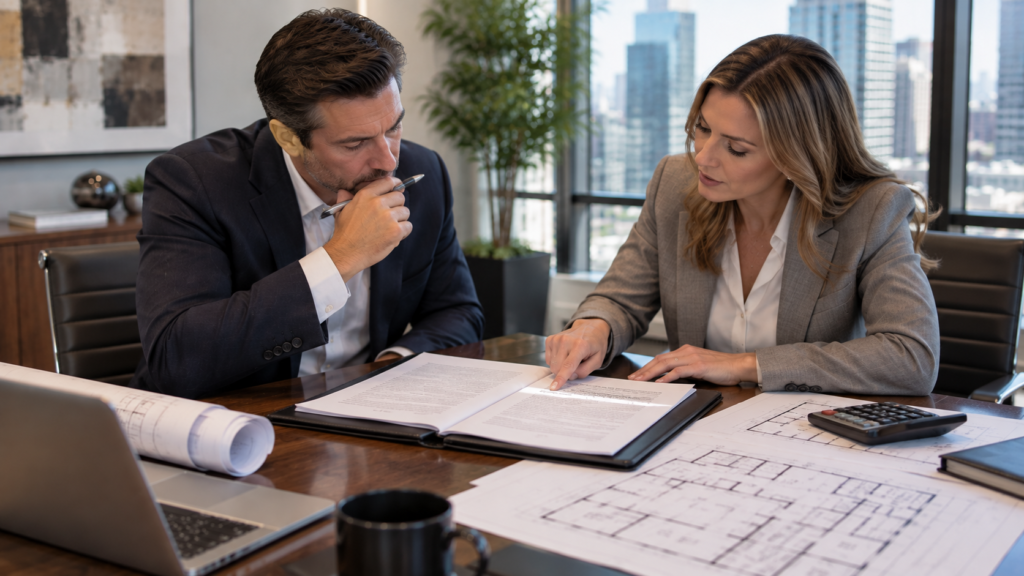
A complete submittal typically includes:
- Architectural plans, code analysis, and accessibility details
- Mechanical, electrical, and plumbing drawings
- Energy code compliance documentation
- Structural calculations where equipment or openings change
- Landlord approval of the drawings where required
Incomplete sets are the most common reason permits are delayed.
Plan Review and Corrections
After submittal, reviewers check the drawings against adopted codes:
- Building, fire, and accessibility review
- Mechanical, electrical, and plumbing review
- Energy code review
- Correction comments returned to the design team
- Resubmittal until all reviewers approve
Responding to every comment fully and clearly is the fastest way through review.
Separate Agency Reviews
Some projects need approvals beyond the building department:
- Fire department review for sprinklers, alarms, and hazardous materials
- Health department review for food service and some medical uses
- Air quality agency rules for demolition and certain equipment
- Elevator authority permits for elevator work
- Sign permits and zoning review for exterior signs
Identifying these reviews during planning prevents surprises late in the project.
Ways to Shorten the Timeline
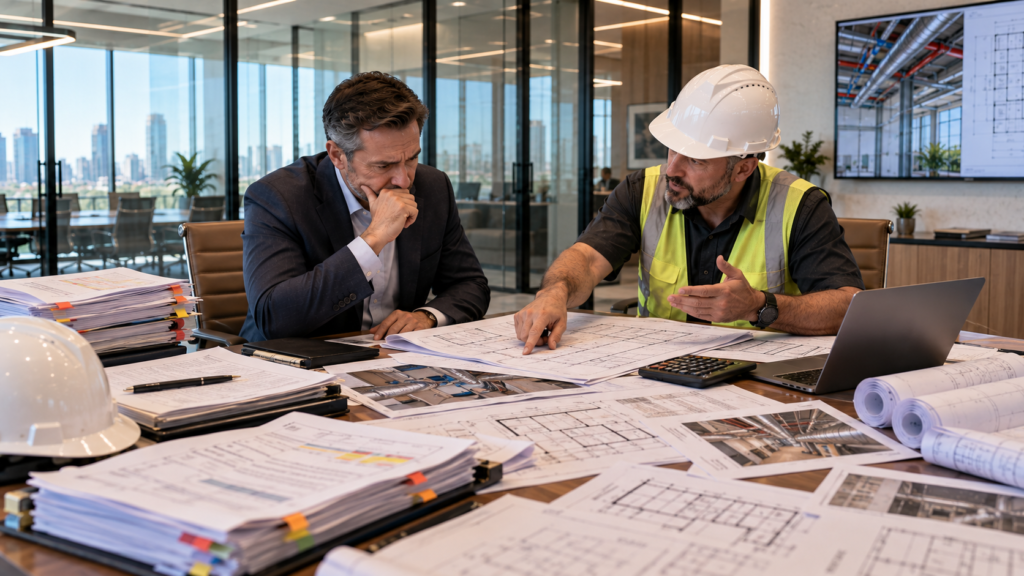
Experienced teams use several strategies:
- Pre-application meetings with the building department
- Expedited or over-the-counter review where offered
- Separate early demolition permits
- Deferred submittals for items like fire sprinklers where allowed
- Complete, coordinated drawings on the first submittal
Availability of these options depends on the jurisdiction.
Inspections During Construction
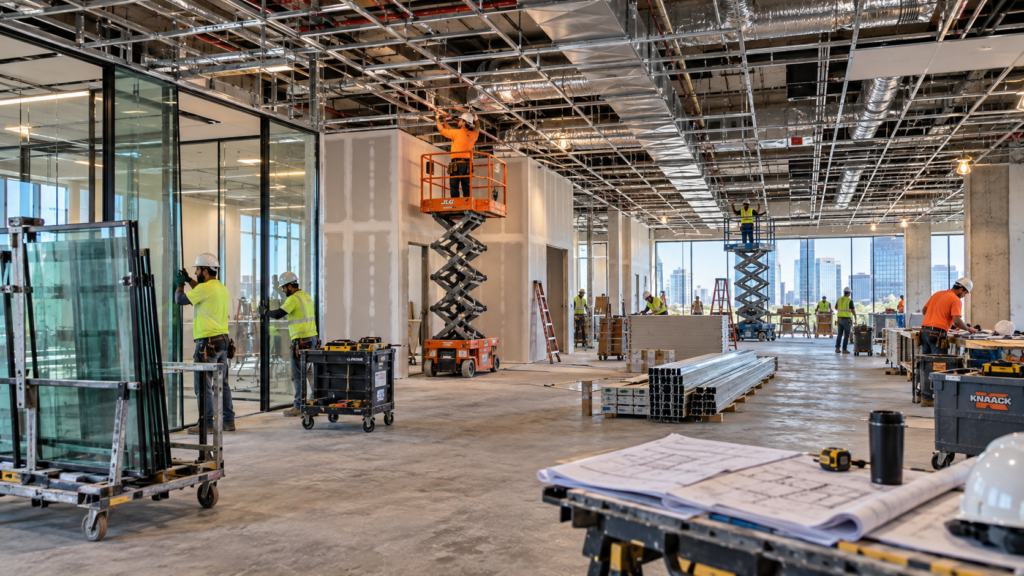
Once issued, the permit is followed by inspections:
- Underground and rough-in inspections before walls close
- Framing and insulation inspections
- Fire sprinkler and alarm tests with the fire department
- Final building inspection
- Certificate of occupancy or final sign-off before move-in
Permits and inspection records become part of the closeout package.
Frequently Asked Questions
How long do tenant improvement permits take?
It ranges from same-day approval for simple work in some cities to several months for complex projects in busy jurisdictions. Ask your local building department for current review times.
Can construction start before the permit is issued?
Generally no, apart from work the jurisdiction allows without a permit or under a separate early permit such as demolition.
Who pulls the permit?
Often the general contractor pulls the permit, with the architect handling plan review comments. The contract should say who is responsible.
Continue the Guide
Keep going with the next stage, or read related pages:
Explore Tenant Improvement Trades, Project Types, Guides & Locations
Every build-out connects specialty trades, the type of property, the stage of the project, and where it is built. Find the page you need below.
Specialty Trades
- Tenant Improvement General Contractor
- Architectural Design, Space Planning & Permitting
- Commercial Demolition Contractors
- Commercial Concrete Contractors
- Framing, Drywall & Acoustic Ceilings
- Commercial Plumbing & Restroom Build-Outs
- Commercial Electrical & Lighting
- Commercial Lighting Contractors
- Commercial HVAC & Mechanical Modifications
- Fire Sprinklers & Life Safety Systems
- Low-Voltage & Data Cabling
- Commercial Security Systems
- Commercial Access Control Systems
- Commercial Roofing Contractors
- Storefront Glazing, Framing & Installation
- Commercial Flooring Installation
- Custom Millwork, Cabinetry & Casework
- Painting, Wall Coverings & Interior Glazing
- Commercial Elevator Contractors
- Commercial Signage Contractors
Project Types
Plan Your Project
Need Help Getting Your Build-Out Permitted?

Licensed commercial contractors for tenant improvements and build-outs in Arizona, California, Colorado, Florida, Illinois, Nevada, New York, Oregon, Texas, Utah, and Washington.
Quick Links
States We Serve
© 2026 Tenant Improvement Contractors. All rights reserved.