Vegas Nightlife to Daytime Retail: Transforming Commercial Spaces for Every Audience
Las Vegas space conversions are part of the city’s DNA. A nightclub becomes a daytime market. Down the street, a shuttered lounge turns into a boutique. Elsewhere, a late-night bar reopens as a brunch spot and retail shop. As tastes change and leases turn over, owners look for ways to make spaces work for new audiences and new hours. These projects are exciting, but they come with real challenges. Codes may change with the new use, layouts must flip from dark and loud to bright and welcoming, and systems must match a different crowd. This guide explains how to plan a successful conversion.
Property owners, investors, operators, and tenants across Las Vegas can use it before committing to a conversion.
Why Conversions Are Common in Las Vegas
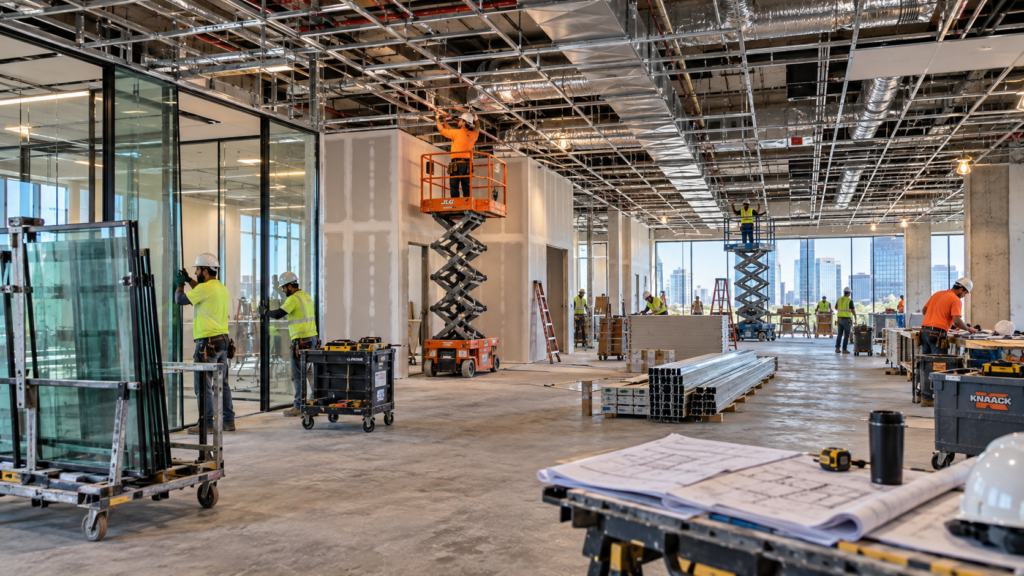
In short, Las Vegas reinvents itself constantly. Nightlife trends shift. Resort spaces get repurposed. Neighborhood centers attract new kinds of tenants. As a result, many spaces built for one use end up serving another. Smart conversions keep buildings productive and bring fresh energy to the area.
Step 1: Understand the Change of Use
The first question is whether the new business changes the building’s occupancy type. A nightclub, for example, is an assembly use with large crowds. Retail is a mercantile use with different rules. A restaurant may fall somewhere in between. Changing the use can affect exits, restrooms, fire protection, and accessibility. Therefore, talk with a licensed contractor and designer before you sign a lease.
Step 2: Review Existing Conditions
Next, study what the space already has. Nightlife venues often have heavy power for sound and lights, large restrooms, bars with plumbing, and dark finishes. Some of these are assets. Others may need major changes. For example, a large bar may convert to a coffee counter. Meanwhile, black ceilings and walls may need paint and new lighting to feel bright.
Las Vegas Space Conversions and Lighting
Often, lighting is the biggest shift. Nightlife spaces use low, colorful, dramatic light. Daytime retail needs bright, even, true-color light. So most conversions replace or rework lighting. In addition, daylight can help. Adding or uncovering windows and storefront glass can transform the mood. Our electrical and lighting page covers common upgrades.
Layouts for a New Audience
For example, nightclubs focus on dance floors, bars, and VIP areas. Retail focuses on browsing paths, displays, and checkout. So walls, platforms, and booths may come out. New fixtures, fitting rooms, and storage may go in. In addition, entries may need to change, since many clubs have controlled single entrances while retail benefits from open storefronts.
Systems and Infrastructure
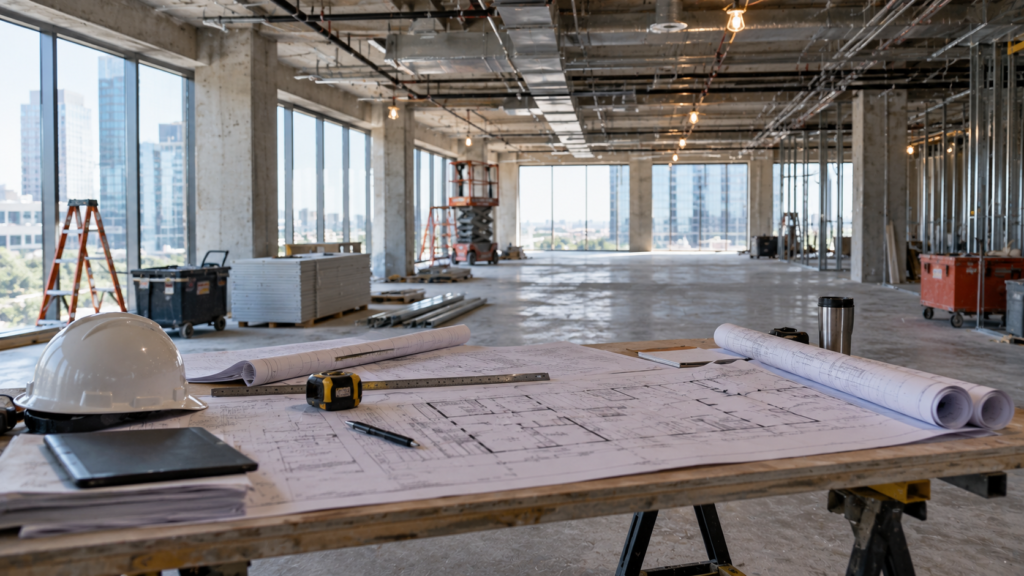
Fortunately, conversions often reuse major systems. Still, they may need adjustments:
- Electrical: Rebalance circuits from sound systems to display lighting.
- HVAC: Adjust airflow for different crowd sizes and heat loads.
- Plumbing: Repurpose or cap bar and restroom lines.
- Fire protection: Update sprinklers and alarms for new layouts.
Las Vegas summers push HVAC systems hard. So confirm cooling capacity matches the new use.
Permits for Las Vegas Space Conversions
Conversions almost always need permits. For Strip-area projects, county reviewers usually handle them. In city limits, the City of Las Vegas or other cities apply. Changes of use may need extra review for zoning, parking, and fire safety. The City of Las Vegas website explains business and building steps within city limits.
Flexible Spaces for Multiple Audiences
Some owners want spaces that serve different crowds at different times. For example, a space might host a cafe by day and events by night. Flexible design makes this possible. Movable furniture, dimmable lighting scenes, folding partitions, and strong but adjustable sound systems all help. However, codes must still support the most intense use, such as evening events with larger crowds.
Las Vegas Space Conversions Timeline
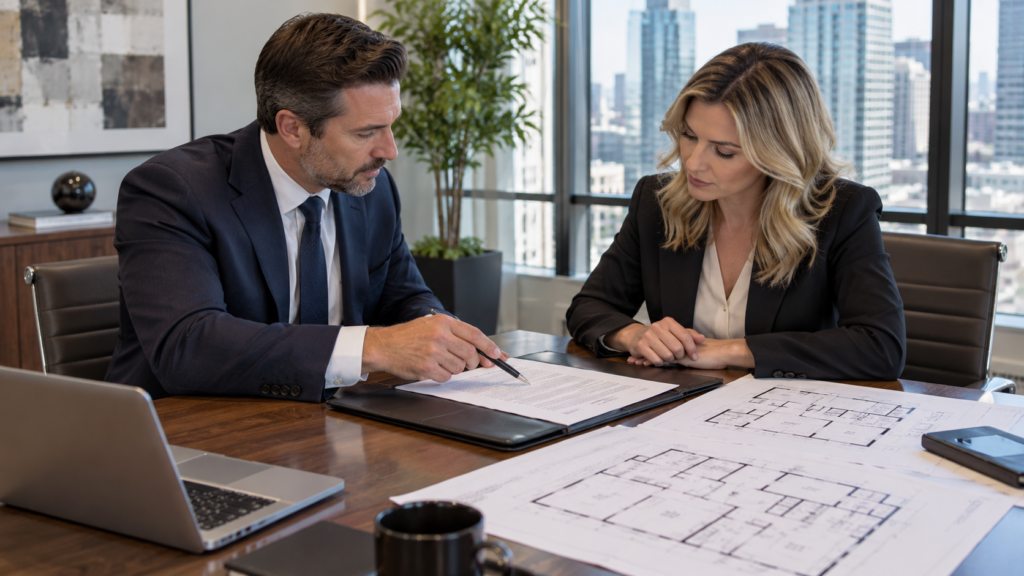
Naturally, conversions vary widely in scope. A simple refresh may take a few weeks. A full change of use with new restrooms, exits, and systems can take several months. Permit review often drives the schedule. So start design and approvals early, and order long-lead items as soon as possible.
Budgeting for a Conversion
In general, costs depend on how much of the old space you can reuse. Key factors include:
- Demolition of old features
- New lighting and electrical changes
- Restroom and accessibility updates
- HVAC and fire protection changes
- Finishes that suit the new brand
Our tenant improvement planning guide offers budgeting tips.
Las Vegas Space Conversions and Sound
Clubs are built to be loud. Shops and cafes need calm. So sound is a big part of the change. First, remove or reuse heavy speakers. Next, add soft surfaces to absorb noise. Then plan a simple music system at a lower level. Also check sound between neighbors. A quiet retail space next to a loud bar may need extra wall insulation.
Branding the New Space
A conversion is a fresh start. Many guests may remember the old venue, so make the new brand clear right away. Change the storefront. Update signs and window graphics. Use a new color palette. Then remove any old club details that confuse guests. As a result, people see a new place, not an old venue with new owners.
Las Vegas Space Conversions Need a Licensed Team
Conversions mix demolition, new systems, and code changes. So they need a licensed general contractor. The contractor brings in licensed electricians, plumbers, and fire crews. They also handle permits and inspections. With one team in charge, the project stays organized and on schedule.
Working With Landlords and Neighbors
Conversions affect more than one tenant. For instance, demolition can be loud and dusty. Similarly, new storefronts may change how a center looks. Therefore, share your plans with the landlord early. In addition, tell neighbors about noisy work and deliveries. Moreover, schedule the loudest tasks for quiet hours. As a result, the project builds goodwill instead of complaints.
Planning for Future Changes
Today’s daytime shop might become tomorrow’s event space. So build flexibility in. For example, leave spare power in the panel. Likewise, use movable fixtures instead of fixed counters where you can. Finally, keep a record of every change, including drawings, permits, and photos. That way, the next conversion is easier and cheaper.
Common Mistakes to Avoid
- Signing a lease before checking change-of-use rules
- Keeping dark finishes in a daytime retail space
- Ignoring HVAC needs for the new crowd
- Underestimating permit time
- Forgetting accessible routes and restrooms
A Quick Conversion Checklist
- Confirm the new use with the city or county.
- Check exits, restrooms, and accessibility.
- Review power, HVAC, and fire systems.
- Plan new lighting and finishes.
- Line up a licensed general contractor.
Working through this list early makes Las Vegas space conversions far smoother.
FAQ on Las Vegas Space Conversions
Does a conversion always need a permit?
Almost always, especially if the use changes or systems are altered.
Can I reuse a nightclub’s bars and restrooms?
Often, yes, if they meet code for the new use. A licensed contractor can check them early. Reusing good bars, restrooms, and wiring can save a large share of the budget.
How long do Las Vegas space conversions take?
Anywhere from a few weeks to several months, depending on scope.
Give Your Space a New Life
A smart conversion turns yesterday’s venue into tomorrow’s destination. See our retail tenant improvement services, or talk with a licensed contractor today.
Explore Tenant Improvement Trades, Project Types, Guides & Locations
Every build-out connects specialty trades, the type of property, the stage of the project, and where it is built. Find the page you need below.
Specialty Trades
- Tenant Improvement General Contractor
- Architectural Design, Space Planning & Permitting
- Commercial Demolition Contractors
- Commercial Concrete Contractors
- Framing, Drywall & Acoustic Ceilings
- Commercial Plumbing & Restroom Build-Outs
- Commercial Electrical & Lighting
- Commercial Lighting Contractors
- Commercial HVAC & Mechanical Modifications
- Fire Sprinklers & Life Safety Systems
- Low-Voltage & Data Cabling
- Commercial Security Systems
- Commercial Access Control Systems
- Commercial Roofing Contractors
- Storefront Glazing, Framing & Installation
- Commercial Flooring Installation
- Custom Millwork, Cabinetry & Casework
- Painting, Wall Coverings & Interior Glazing
- Commercial Elevator Contractors
- Commercial Signage Contractors
Project Types
Plan Your Project
Ready to Build in Las Vegas? Talk to a Licensed Contractor
Licensed commercial contractors for tenant improvements and build-outs in Arizona, California, Colorado, Florida, Illinois, Nevada, New York, Oregon, Texas, Utah, and Washington.
Quick Links
States We Serve
© 2026 Tenant Improvement Contractors. All rights reserved.