Government Building Tenant Improvements
Government Building Tenant Improvements Support Public Services, Security, Accessibility, and Long-Term Facility Performance
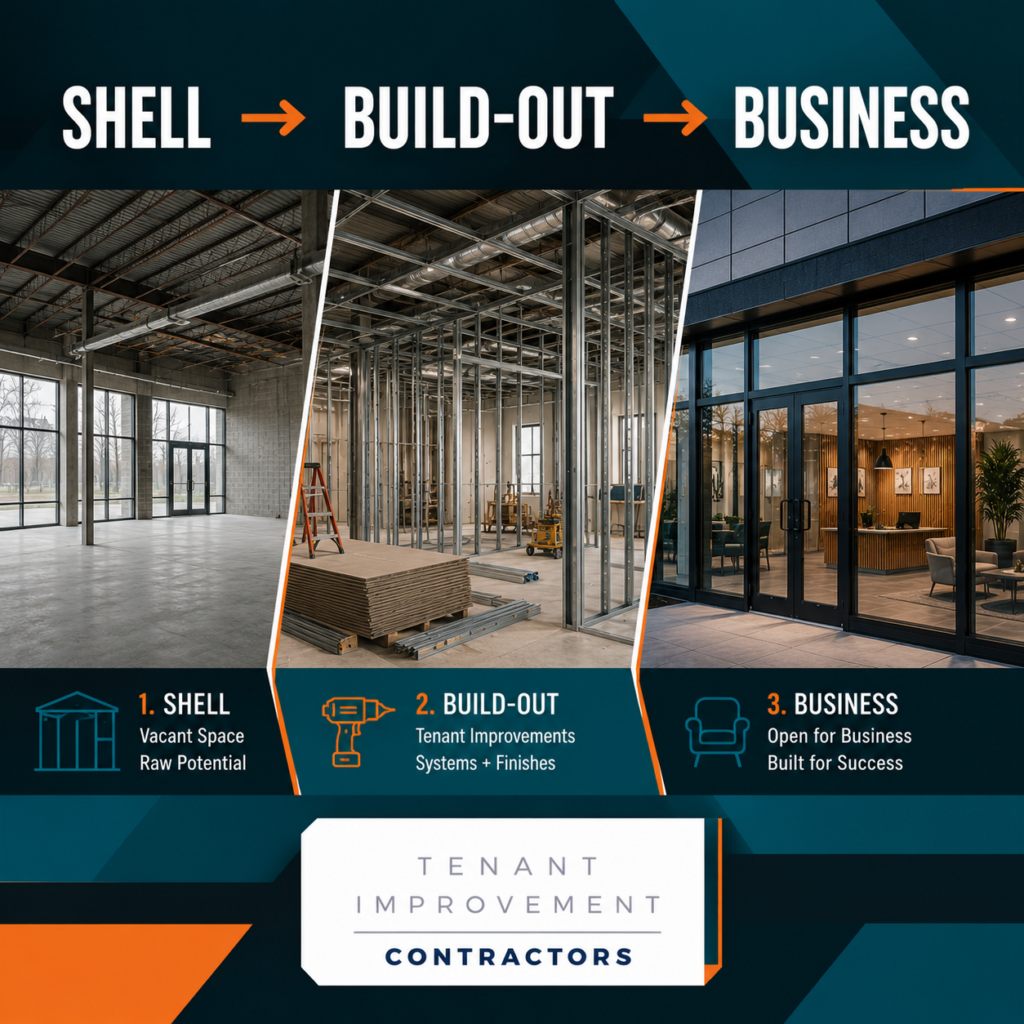
Government buildings serve communities by housing public services, administrative offices, public safety agencies, courts, educational programs, and essential governmental operations. As technology, security requirements, accessibility standards, and public expectations continue evolving, tenant improvements help government facilities modernize operations, improve efficiency, enhance public access, and protect long-term public investments.
Whether renovating a city hall, modernizing a county administration building, upgrading a state office, expanding a public safety facility, or improving a federal office, tenant improvements require careful planning, coordination among multiple disciplines, and construction strategies that allow essential government services to continue operating throughout the project.
Tenant Improvement Contractor Near Me provides educational resources that help government agencies, facility managers, architects, engineers, developers, contractors, and public officials better understand government building tenant improvements from planning through project completion.
Every Government Facility Has Different Operational Requirements
Government buildings vary significantly depending on the agencies they serve and the public services they provide. Common government facilities include:
- City halls
- County administration buildings
- State government offices
- Federal office buildings
- Courthouses
- Public safety facilities
- Police administration buildings
- Fire department headquarters
- Public works facilities
- Community service centers
Each government facility requires customized planning based on public access, operational needs, security requirements, staffing, and long-term community objectives.
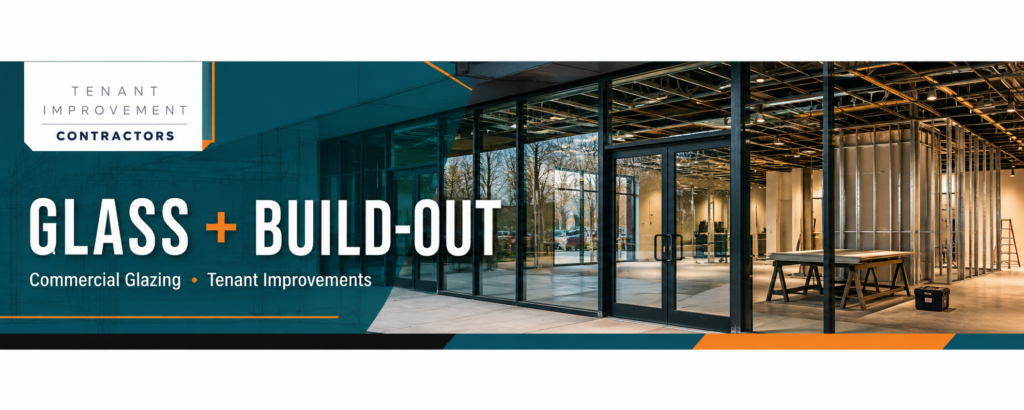
Common Government Building Tenant Improvements
Common tenant improvements include:
- Public reception areas
- Administrative offices
- Council and meeting chambers
- Conference rooms
- Public service counters
- Training facilities
- Employee workspaces
- Records storage areas
- Public waiting areas
- Break rooms
- Public restrooms
- Security screening areas
- Emergency operations spaces
- Community meeting rooms
The right scope depends on the building, the tenant’s operations, and long-term goals.
Building Infrastructure Supports Essential Public Services
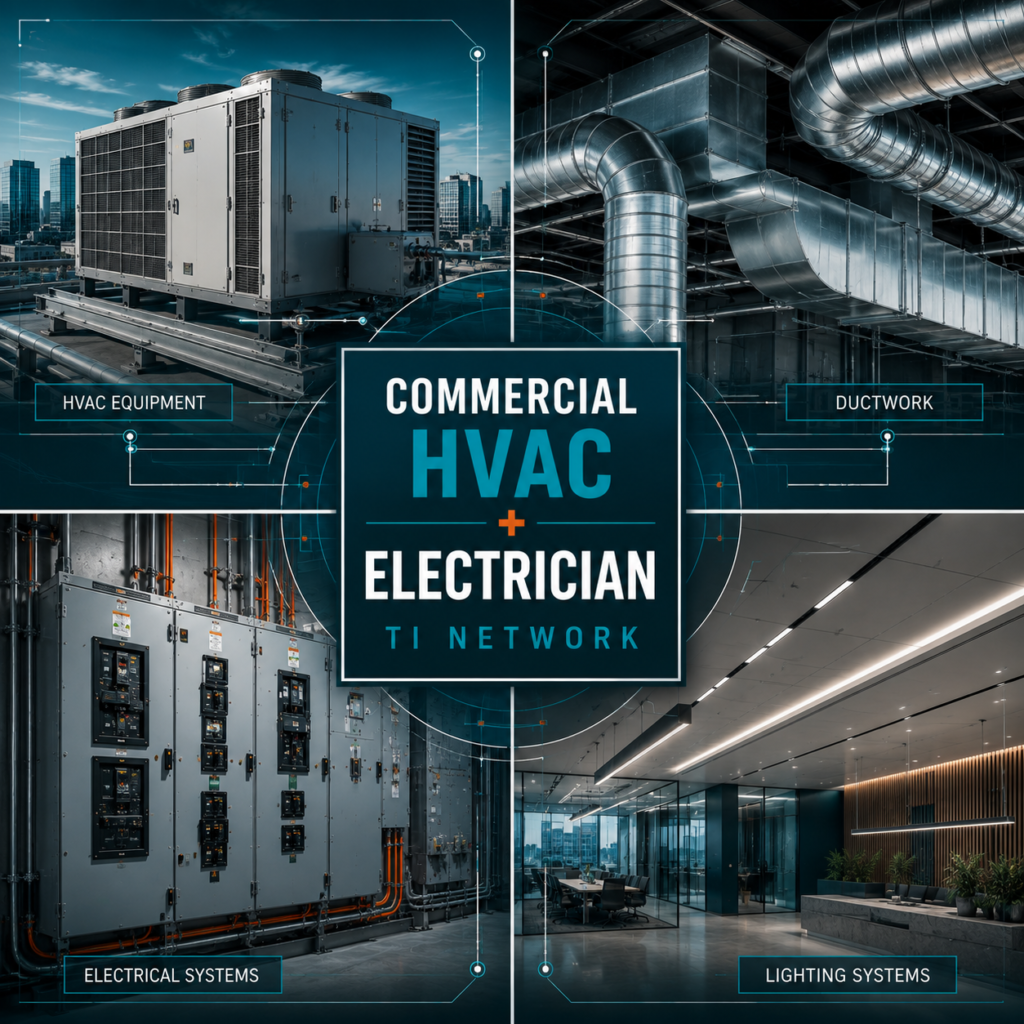
Key building system improvements include:
- High-performance HVAC systems
- Electrical service upgrades
- Emergency backup power
- Fire alarm systems
- Fire sprinkler improvements
- Building automation systems
- Security and access control
- Video surveillance
- Communications infrastructure
- Public address systems
- Energy-efficient lighting
- High-speed networking
Reliable infrastructure supports essential government functions while improving building efficiency and reducing long-term operating costs.
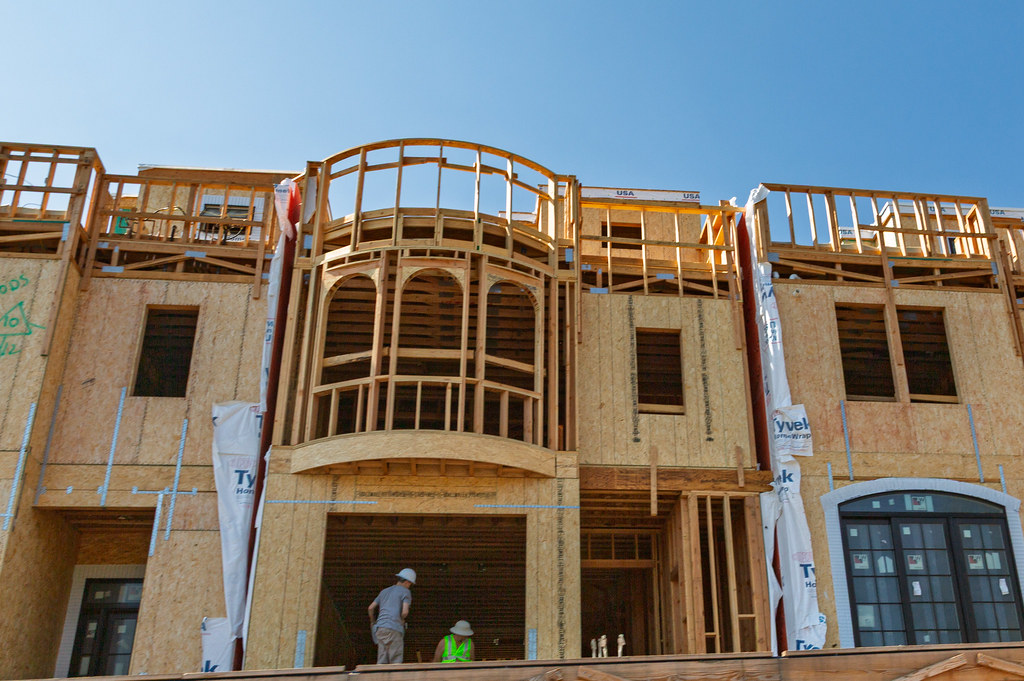
Accessibility and Public Service Are Design Priorities
Government buildings must provide welcoming, accessible environments for employees and the public. Popular improvements include:
- ADA accessibility enhancements
- Modern public reception areas
- Digital information kiosks
- Secure public service counters
- Flexible meeting rooms
- Community gathering spaces
- Improved wayfinding
- Accessible entrances
- Contemporary public waiting areas
Thoughtful facility design helps improve public access while enhancing the overall customer service experience.
Government Facilities Often Remain Operational During Construction
Effective construction approaches include:
- Phased construction
- Temporary public entrances
- Department relocations
- Dust containment
- Noise management
- After-hours construction
- Weekend scheduling
- Business continuity planning
Careful coordination allows essential government services to remain available while improvements move forward.
Government Building Improvements Support Long-Term Community Needs
Public agencies frequently renovate facilities to improve services and prepare for future community growth. Growth-related improvements often include:
- Expanded public service areas
- Modern technology infrastructure
- Flexible office layouts
- Enhanced security
- Improved meeting facilities
- Community event spaces
- Employee collaboration areas
- Future operational flexibility
Planning for future growth helps government agencies continue serving expanding communities effectively.
Questions Government Facility Managers Frequently Ask
Frequently asked questions include:
- Can public services continue during construction?
- Which building systems should be modernized first?
- How can accessibility be improved?
- What security upgrades are recommended?
- How can energy efficiency reduce long-term operating costs?
- Which improvements provide the greatest long-term value?
- How can construction minimize disruptions to employees and visitors?
- How should facilities prepare for future technology?
Early planning often reduces project risks while improving construction outcomes.
Preparing Government Buildings for the Future
Future-focused improvements often include:
- Flexible office layouts
- Smart building technology
- High-efficiency HVAC systems
- Building automation systems
- Energy-efficient lighting
- Sustainable construction materials
- Advanced security systems
- Digital public service technology
- Electric vehicle charging
- Future operational adaptability
Preparing government buildings for future public needs helps improve services while protecting long-term taxpayer investments.
Why Government Building Tenant Improvements Matter
Government buildings support essential public services, administrative operations, community programs, and public safety. Well-planned tenant improvements help agencies modernize facilities, improve operational efficiency, strengthen security, enhance accessibility, support evolving technology, and extend the useful life of important public buildings.
Tenant Improvement Contractor Near Me provides educational resources covering government office renovations, municipal buildings, public safety facilities, administrative offices, courthouse improvements, commercial construction planning, building infrastructure, project coordination, code compliance, and long-term government facility performance.
Whether renovating a city hall, modernizing a county administration building, expanding a public safety headquarters, upgrading a state office complex, improving a federal government facility, or preparing a civic building for future community needs, strategic tenant improvements help create secure, efficient, and accessible public environments that support exceptional government services and long-term community success.
Related Services
Explore more commercial construction and tenant improvement resources:
Ready to Start Your Tenant Improvement Project?
Licensed commercial general contractor serving tenant improvement and build-out projects across the San Francisco Bay Area.
Popular Service Areas
© 2026 Tenant Improvement Licensed Contractors. All rights reserved.