Designing High-Traffic Spaces: Built to Withstand Las Vegas Foot Traffic
Las Vegas high-traffic spaces take a beating. Millions of visitors, convention crowds, weekend shoppers, and busy locals pour through lobbies, stores, restaurants, and clinics every day. Floors scuff, doors bang, walls dent, and restrooms run nonstop. Add desert dust and summer heat, and materials wear out fast. Smart design and durable construction make the difference between a space that looks great for years and one that looks tired in months. This guide explains how to build for heavy foot traffic.
Owners, property managers, designers, and facility teams can use it when planning new spaces or renovations.
Why Traffic Changes the Design
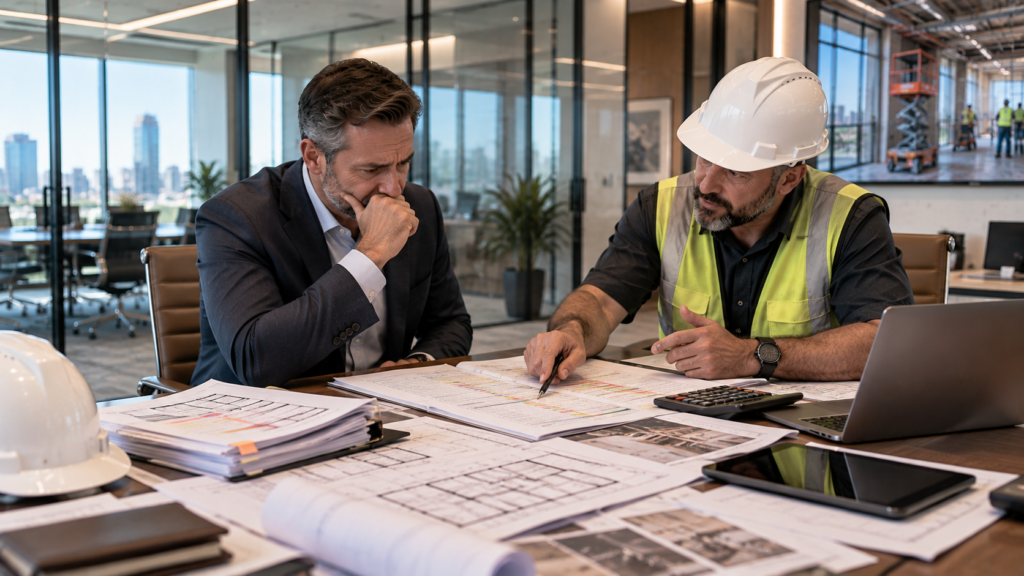
A quiet office and a busy food hall need very different materials. In high-traffic areas, every surface faces more wear. So design choices must balance looks, durability, and easy cleaning. In short, Las Vegas high-traffic spaces need tougher materials and smarter layouts.
Start With the Flow
First, study how people move. Where do they enter? How long do they wait? At which spots do lines form? Next, design wide paths and clear sightlines. Avoid tight corners and bottlenecks. In addition, separate service routes from guest routes where possible. Good flow reduces wear, improves safety, and makes the space feel calm.
Flooring for Las Vegas High-Traffic Spaces
Of all surfaces, floors take the hardest hits. Strong choices include:
- Porcelain tile: very tough, stain resistant, and stylish
- Sealed or polished concrete: durable and easy to clean
- Commercial luxury vinyl: comfortable and budget friendly
- Terrazzo: long lasting and upscale
- Walk-off mats: trap desert dust at entries
Our Las Vegas flooring services page explains each option.
Entry Design and Desert Dust
Meanwhile, entries do a lot of work in Las Vegas. Dust and sand blow in with every guest. So plan a long entry zone with built-in walk-off mats. Air curtains or vestibules help keep heat and dust out. In addition, sturdy automatic doors handle constant use better than manual ones.
Protecting Walls in Las Vegas High-Traffic Spaces
Likewise, carts, strollers, luggage, and chairs bump walls all day. Protect them with:
- Corner guards in metal or tough plastic
- Chair rails and wall guards
- Impact-resistant drywall in busy halls
- Scrubbable paints and wall coverings
- Tile or stone wainscots in key areas
These details are small. Yet they save a lot of repair work over time.
Doors for Las Vegas High-Traffic Spaces
Doors in busy spaces open thousands of times a week. So choose heavy-duty hinges, closers, and pulls. Automatic doors and push plates reduce wear and help accessibility. In addition, kick plates protect door bottoms from carts and feet.
Restrooms in Las Vegas High-Traffic Spaces
Similarly, restrooms in high-traffic venues work nonstop. Smart choices include:
- Touchless faucets, flush valves, and dispensers
- Durable partitions made of phenolic or metal
- Wall-hung fixtures for easy floor cleaning
- Floor drains for quick wash-downs
- Bright, even lighting
Also plan enough fixtures for peak crowds. Long restroom lines frustrate guests.
HVAC for Large Crowds
In addition, crowds create heat. Combined with Las Vegas summers, that can strain cooling systems. So size HVAC for peak occupancy, not average days. In addition, good ventilation keeps air fresh. Our HVAC services page covers common upgrades.
Lighting That Lasts
Lighting in busy spaces should be bright, even, and easy to maintain. LED fixtures last longer and use less power. Place fixtures where staff can reach them for service. In addition, use durable lenses that resist damage.
Las Vegas High-Traffic Spaces and Accessibility
Of course, busy spaces must serve everyone. Wide routes, accessible counters, and clear signs help guests with disabilities. They also help everyone else move faster. The ADA website explains key requirements.
Cleaning and Maintenance Plans
Even so, durable materials still need care. So plan for cleaning from the start. Choose finishes that clean easily with common products. Provide janitor closets with sinks and storage. Then set a regular maintenance schedule for floors, doors, and restrooms.
Budgeting for Durability
Durable materials can cost more up front. However, they save money over the life of the space. Fewer repairs, less downtime, and longer replacement cycles add up. So compare life-cycle costs, not just initial prices.
Seating and Furniture
Furniture in busy spaces takes constant use. So choose commercial-grade pieces. For example, metal or hardwood frames last longer than light materials. Likewise, performance fabrics resist stains and spills. In addition, anchor heavy pieces where needed for safety. As a result, seating stays comfortable and looks good for years.
Signs and Wayfinding
Clear signs keep crowds moving. Guests should find entries, restrooms, exits, and service counters at a glance. So use large, high-contrast signs. Place them at eye level and at decision points. In addition, add floor graphics in very busy areas. Good wayfinding reduces confusion, lines, and needless wear on the space.
Las Vegas High-Traffic Spaces and Safety
Crowds raise safety risks. Therefore, plan wide exits, bright emergency lighting, and slip-resistant floors. Keep paths clear of displays and cords. Also train staff on crowd control and emergency steps. Codes set the minimums. However, smart owners often go beyond them in Las Vegas high-traffic spaces.
Phasing Work in Busy Spaces
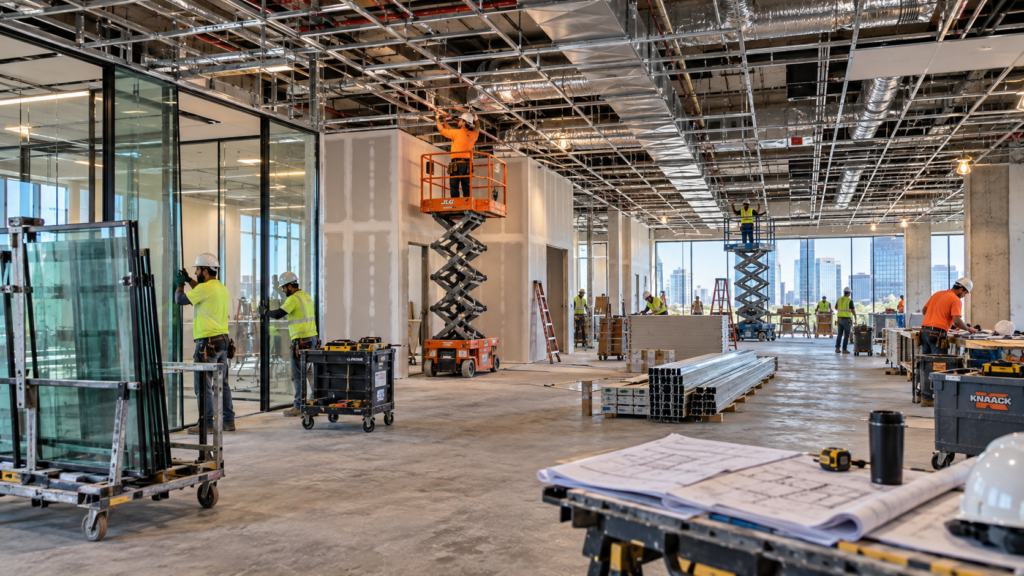
Many busy spaces cannot close for long. So crews often work at night or in phases. First, they finish one zone. Next, they reopen it. Then they move to the next area. This approach keeps the business running while the space improves. A licensed contractor with experience in occupied spaces can plan these phases well.
Choosing the Right Contractor
Busy spaces need a contractor who understands wear and tear. So ask about past projects in malls, resorts, clinics, or restaurants. Ask which materials they trust most. Also ask how they protect finishes during construction. Then check their Nevada license and insurance. A team with high-traffic experience will steer you toward choices that last.
Plan for the Busiest Day
Design for your busiest day, not your average one. For example, think about a holiday weekend or a big convention. How many people will be inside? Where will lines form? How fast will restrooms fill up? Answering these questions helps you size spaces, systems, and finishes correctly. As a result, the space works well even when the crowd is at its peak.
Common Mistakes to Avoid
- Choosing soft finishes for busy floors
- Forgetting walk-off mats at entries
- Skipping corner and wall protection
- Undersizing restrooms and HVAC
- Ignoring cleaning needs in the design
FAQ on Las Vegas High-Traffic Spaces
What is the most durable flooring for Las Vegas high-traffic spaces?
Porcelain tile, sealed concrete, and terrazzo are top choices.
How do I keep desert dust out?
Use long walk-off mats, vestibules, and good door seals. Also clean entry mats often, since full mats stop trapping dust. Some owners add a simple air curtain over busy doors. It blocks dust and keeps cool air inside on hot days.
Are durable materials worth the cost?
Yes. They usually save money over time through fewer repairs. They also cut downtime, since you close less often for fixes. Over a five or ten year lease, the savings can be large. Ask your contractor to compare life-cycle costs for your top choices.
Build for the Crowds
Smart, durable design keeps busy spaces looking great. Explore our shopping center projects, or request a quote today.
Explore Tenant Improvement Trades, Project Types, Guides & Locations
Every build-out connects specialty trades, the type of property, the stage of the project, and where it is built. Find the page you need below.
Specialty Trades
- Tenant Improvement General Contractor
- Architectural Design, Space Planning & Permitting
- Commercial Demolition Contractors
- Commercial Concrete Contractors
- Framing, Drywall & Acoustic Ceilings
- Commercial Plumbing & Restroom Build-Outs
- Commercial Electrical & Lighting
- Commercial Lighting Contractors
- Commercial HVAC & Mechanical Modifications
- Fire Sprinklers & Life Safety Systems
- Low-Voltage & Data Cabling
- Commercial Security Systems
- Commercial Access Control Systems
- Commercial Roofing Contractors
- Storefront Glazing, Framing & Installation
- Commercial Flooring Installation
- Custom Millwork, Cabinetry & Casework
- Painting, Wall Coverings & Interior Glazing
- Commercial Elevator Contractors
- Commercial Signage Contractors
Project Types
Plan Your Project
Ready to Build in Las Vegas? Talk to a Licensed Contractor
Licensed commercial contractors for tenant improvements and build-outs in Arizona, California, Colorado, Florida, Illinois, Nevada, New York, Oregon, Texas, Utah, and Washington.
Quick Links
States We Serve
© 2026 Tenant Improvement Contractors. All rights reserved.