Logistics Center Tenant Improvements
Logistics Center Tenant Improvements Support Supply Chain Efficiency, Distribution Operations, and Long-Term Industrial Performance
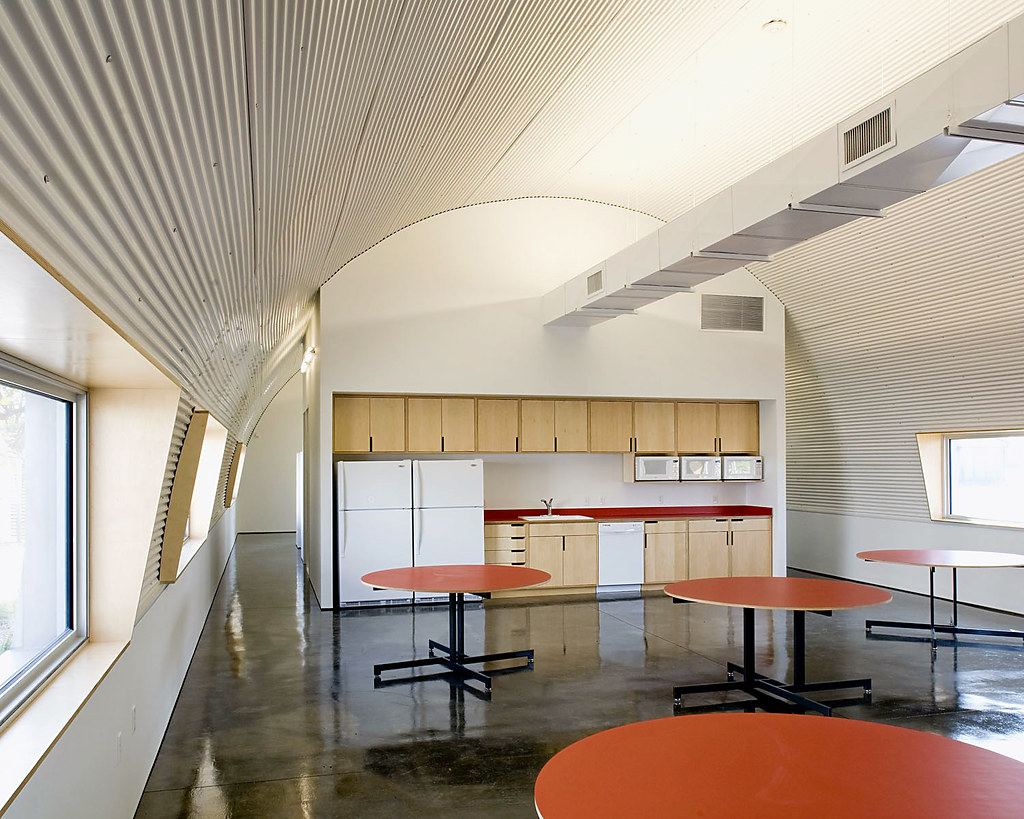
Logistics centers play a critical role in moving goods between manufacturers, warehouses, distribution centers, retailers, and customers. As supply chains become faster, more automated, and increasingly technology-driven, tenant improvements help logistics facilities improve operational efficiency, increase throughput, support automation, and prepare for future growth.
Whether renovating an existing logistics center, converting an industrial building into a distribution hub, expanding warehouse operations, or preparing a speculative facility for a new tenant, tenant improvements require strategic planning, engineering coordination, and construction management that minimizes operational disruptions while maximizing long-term building performance.
Tenant Improvement Contractor Near Me provides educational resources that help logistics companies, transportation providers, industrial developers, property owners, facility managers, architects, engineers, commercial real estate professionals, and contractors better understand logistics center tenant improvements from planning through project completion.
Every Logistics Center Has Different Operational Requirements
Logistics facilities vary depending on products, transportation methods, inventory systems, and customer demands. Common logistics facilities include:
- Regional logistics centers
- National distribution hubs
- Third-party logistics (3PL) facilities
- E-commerce fulfillment centers
- Cross-docking facilities
- Freight terminals
- Last-mile delivery centers
- Cold chain logistics facilities
- Industrial distribution centers
- Supply chain support facilities
Each logistics center requires customized planning based on shipping volumes, equipment, automation, workforce needs, and future expansion.
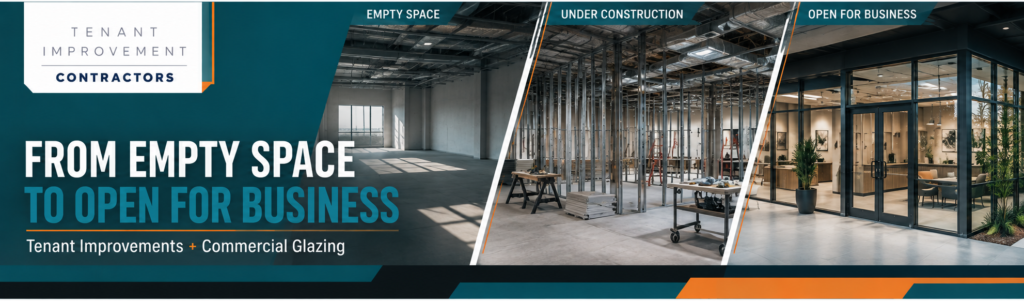
Common Logistics Center Tenant Improvements
Common tenant improvements include:
- Shipping and receiving expansions
- Loading dock improvements
- Cross-docking areas
- Warehouse office construction
- Dispatch offices
- Employee break rooms
- Operations centers
- Equipment maintenance areas
- Interior partitions
- Industrial flooring upgrades
- Storage system installation
- Security fencing
- Vehicle staging areas
- Fleet support facilities
The right scope depends on the building, the tenant’s operations, and long-term goals.
Building Infrastructure Supports High-Volume Operations
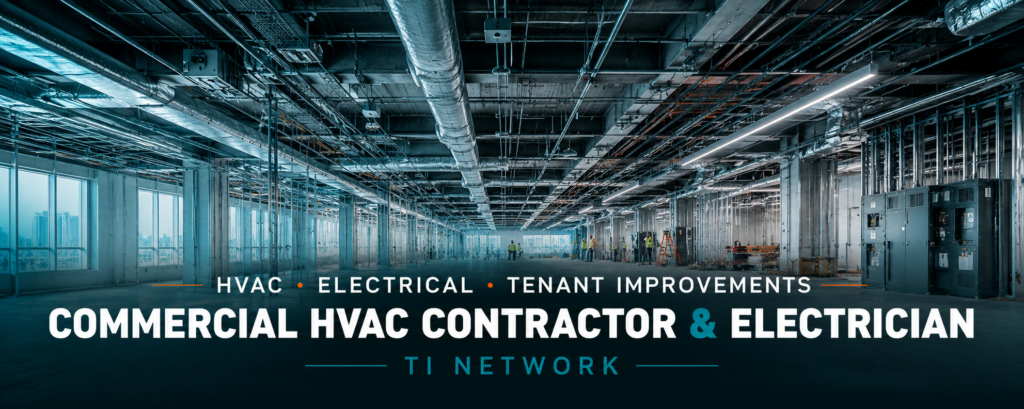
Key building system improvements include:
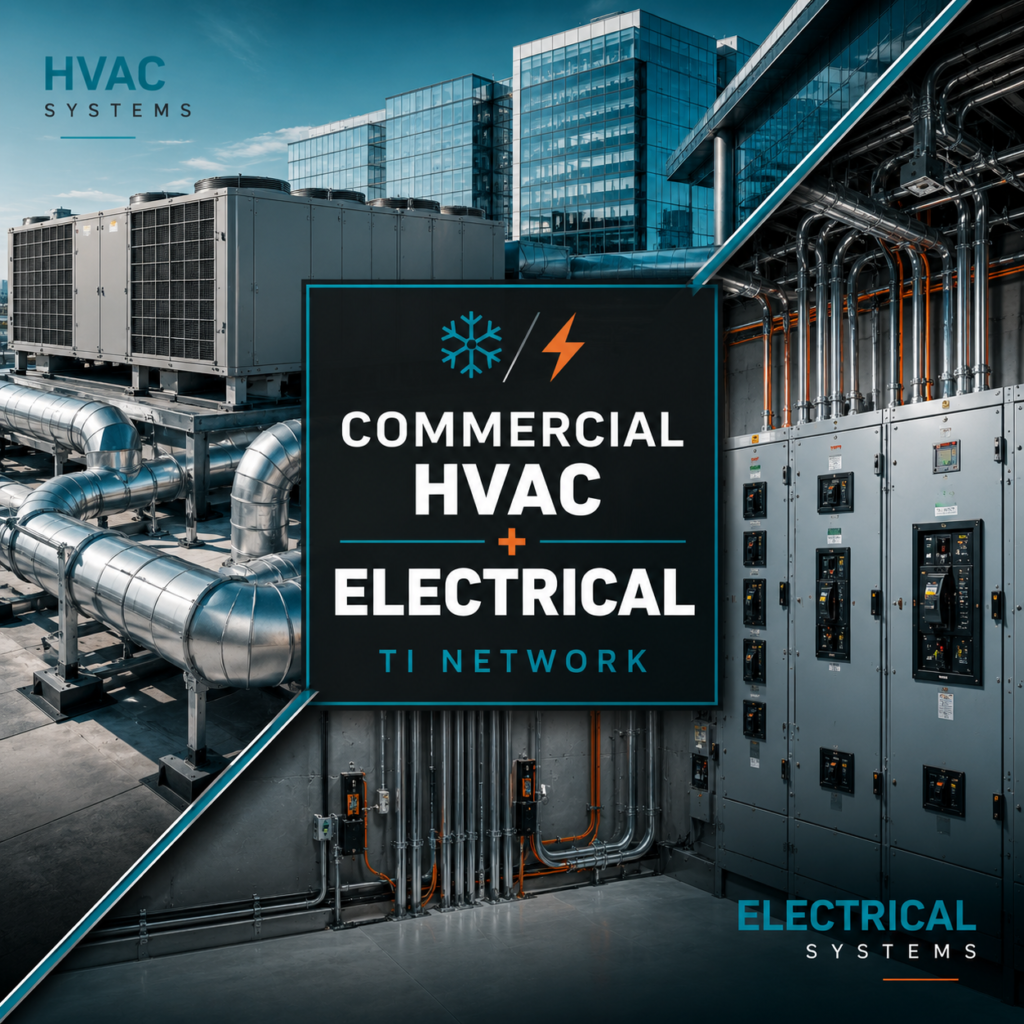
- High-capacity electrical systems
- Three-phase power
- High-performance HVAC systems
- High-bay LED lighting
- Fire sprinkler upgrades
- Building automation systems
- High-speed communications infrastructure
- Security and access control
- Video surveillance
- Backup power systems
- Fleet charging infrastructure
- Warehouse management technology
Reliable infrastructure helps reduce downtime while supporting automation and high-volume logistics operations.
Facility Layout Directly Impacts Supply Chain Performance
Well-designed logistics centers improve inventory movement, shipping efficiency, and employee productivity. Popular operational improvements include:
- Truck circulation planning
- Shipping lane optimization
- Receiving area expansion
- Cross-docking operations
- Picking and packing stations
- Material handling improvements
- Employee circulation
- Safety zone separation
Thoughtful facility planning reduces bottlenecks while increasing productivity throughout the supply chain.
Logistics Centers Often Remain Operational During Construction
Effective construction approaches include:
- Phased construction
- Temporary shipping areas
- Equipment protection
- Dust containment
- Noise management
- After-hours construction
- Weekend scheduling
- Operational continuity planning
Careful project coordination helps maintain supply chain operations while construction progresses safely and efficiently.
Logistics Improvements Support Long-Term Growth
Facility owners frequently renovate logistics centers to support expanding operations and new technologies. Growth-related improvements often include:
- Warehouse expansion
- Additional loading docks
- Conveyor systems
- Robotics integration
- Automation upgrades
- Utility capacity increases
- Flexible warehouse layouts
- Future logistics scalability
Planning for growth helps logistics centers adapt to changing customer demands while protecting long-term investments.
Questions Logistics Facility Owners Frequently Ask
Frequently asked questions include:
- Can shipping operations continue during construction?
- Which building systems should be upgraded first?
- How can loading dock efficiency be improved?
- What improvements prepare facilities for automation?
- How can truck circulation be optimized?
- Which upgrades provide the greatest long-term return?
- How can downtime be minimized?
- How should future expansion be planned?
Early planning often reduces project risks while improving operational performance.
Preparing Logistics Centers for the Future
Future-focused improvements often include:
- Flexible warehouse layouts
- Smart building technology
- Robotics infrastructure
- Warehouse automation systems
- High-efficiency HVAC systems
- Building automation
- Energy-efficient lighting
- Electric fleet charging
- Advanced communications infrastructure
- Future operational adaptability
Preparing logistics centers for future supply chain demands helps businesses remain competitive while protecting long-term industrial real estate investments.
Why Logistics Center Tenant Improvements Matter
Logistics centers are essential to manufacturing, retail, healthcare, e-commerce, and global supply chains. Well-planned tenant improvements help organizations improve shipping efficiency, support automation, strengthen workplace safety, reduce operating costs, increase operational flexibility, and maximize long-term property value.
Tenant Improvement Contractor Near Me provides educational resources covering logistics center renovations, warehouse improvements, distribution facilities, freight terminals, industrial infrastructure, commercial construction planning, project coordination, code compliance, and long-term logistics facility performance.
Whether renovating a regional logistics hub, expanding a third-party logistics facility, modernizing warehouse infrastructure, upgrading loading dock operations, preparing a speculative industrial building for a logistics tenant, or repositioning a supply chain facility for future automation, strategic tenant improvements help create efficient, high-performing industrial environments that support reliable operations, supply chain excellence, and long-term business success.
Related Services
Explore more commercial construction and tenant improvement resources:
Ready to Start Your Tenant Improvement Project?
Licensed commercial general contractor serving tenant improvement and build-out projects across the San Francisco Bay Area.
Popular Service Areas
© 2026 Tenant Improvement Licensed Contractors. All rights reserved.