Mixed-Use Development Tenant Improvements
Mixed-Use Development Tenant Improvements Support Integrated Communities, Flexible Commercial Space, and Long-Term Property Value
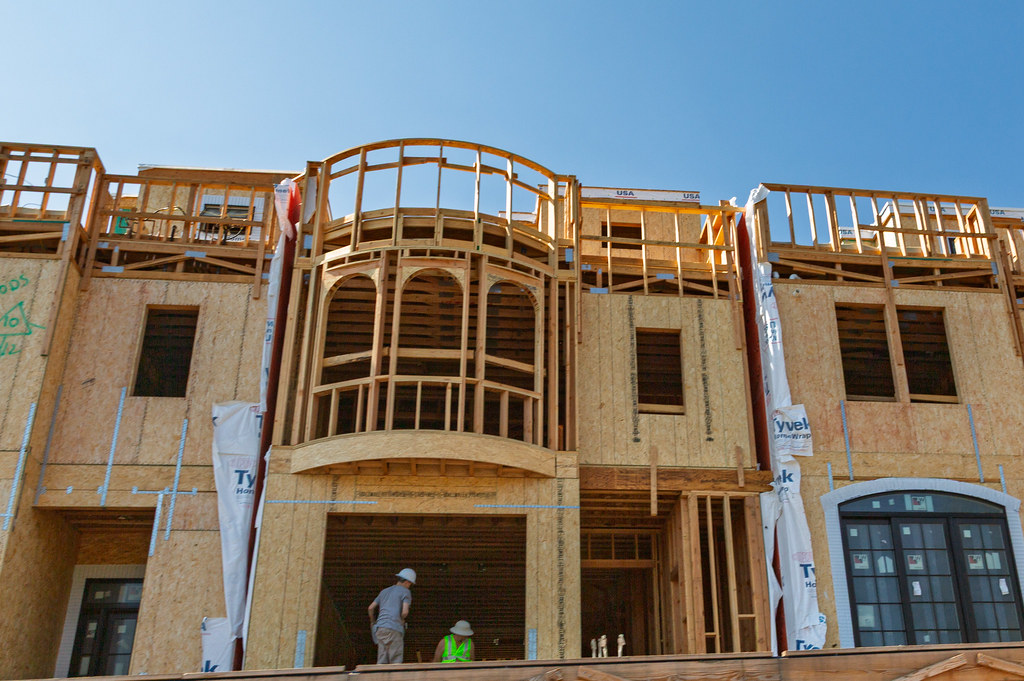
Mixed-use developments combine multiple property types into one integrated destination, creating environments where people can live, work, shop, dine, and access services within a single community. These projects often include retail, office space, restaurants, hospitality, multifamily housing, entertainment, healthcare, and public gathering areas, making tenant improvements especially complex and highly coordinated.
Whether developing a new mixed-use project, repositioning an existing commercial property, renovating tenant spaces, or preparing buildings for future occupants, tenant improvements require strategic planning, phased construction, coordination among multiple stakeholders, and careful management of ongoing operations.
Tenant Improvement Contractor Near Me provides educational resources that help developers, property owners, asset managers, architects, engineers, commercial real estate professionals, facility managers, and contractors better understand mixed-use development tenant improvements from planning through project completion.
Every Mixed-Use Development Has Different Requirements
No two mixed-use developments are identical. Common project components include:
- Office buildings
- Retail spaces
- Restaurants
- Multifamily housing
- Hotels
- Medical offices
- Fitness centers
- Entertainment venues
- Parking structures
- Public gathering spaces
Each development requires customized planning based on tenant mix, customer traffic, resident needs, operational goals, and long-term investment strategies.
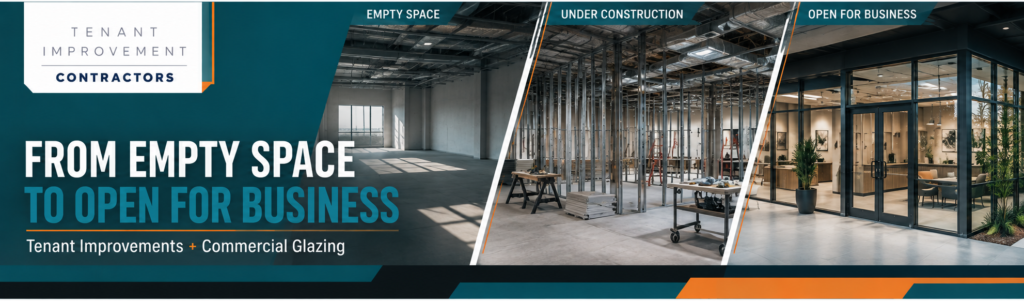
Common Mixed-Use Tenant Improvements
Common tenant improvements include:
- Retail tenant build-outs
- Office renovations
- Restaurant construction
- Leasing offices
- Hotel improvements
- Medical office build-outs
- Common area renovations
- Public plazas
- Lobby improvements
- Conference facilities
- Fitness centers
- Public restrooms
- Wayfinding systems
- Outdoor gathering spaces
The right scope depends on the building, the tenant’s operations, and long-term goals.
Building Infrastructure Supports Diverse Tenants
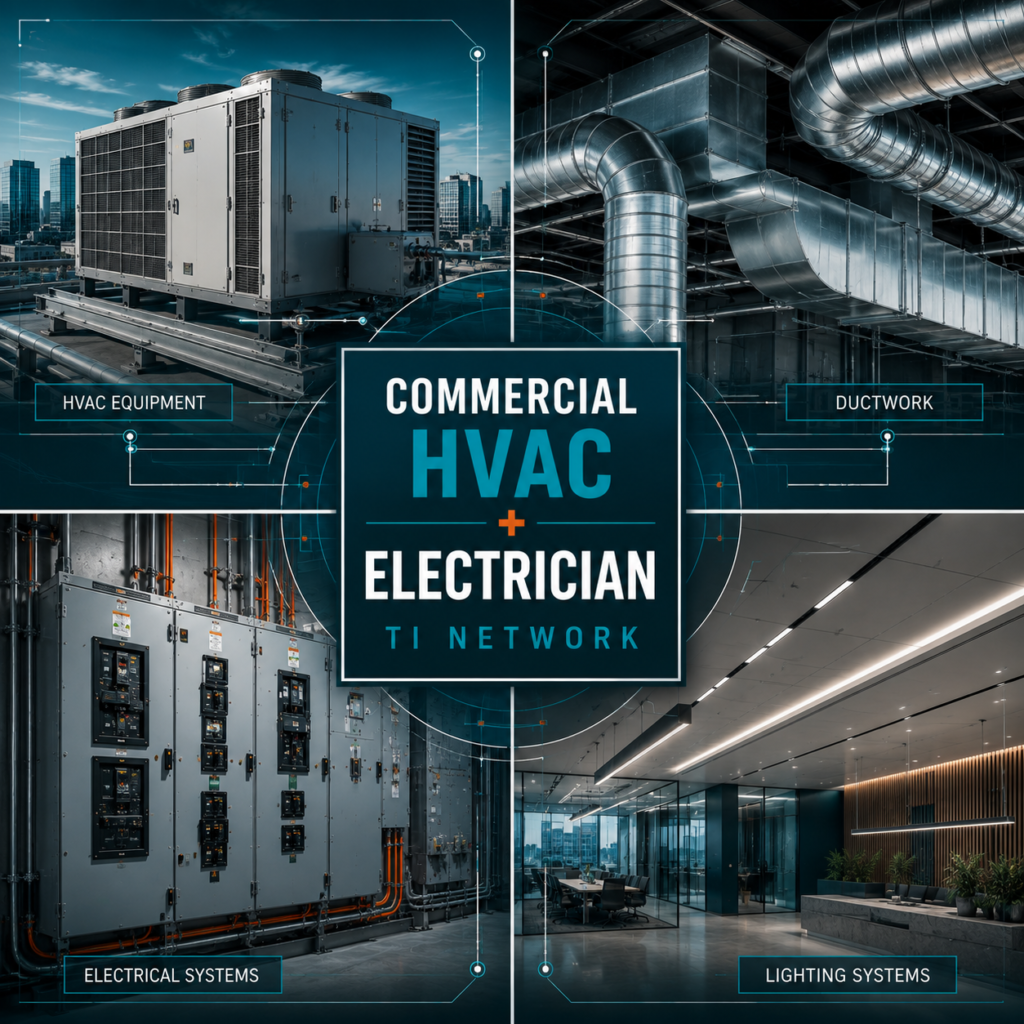
Key building system improvements include:
- High-capacity electrical systems
- High-performance HVAC systems
- Plumbing upgrades
- Fire sprinkler systems
- Fire alarm systems
- Building automation systems
- Security and access control
- High-speed communications infrastructure
- Energy-efficient lighting
- Elevator modernization
- Emergency power systems
- Electric vehicle charging infrastructure
Flexible infrastructure allows developers to accommodate changing tenant needs while supporting future redevelopment.
Mixed-Use Projects Focus on Community Experience
Modern developments emphasize convenience, walkability, and active public spaces. Popular improvements include:
- Outdoor plazas
- Public seating areas
- Restaurants with patios
- Streetscape enhancements
- Modern building lobbies
- Flexible event spaces
- Pedestrian-friendly pathways
- Public art installations
- Landscaping improvements
Thoughtful design creates destinations where residents, employees, customers, and visitors can interact comfortably throughout the day.
Construction Often Occurs While Portions of the Property Remain Occupied
Effective construction approaches include:
- Phased construction
- Temporary public access
- Resident coordination
- Tenant communication
- Dust containment
- Noise management
- After-hours construction
- Business continuity planning
Careful project management helps reduce disruptions while maintaining normal daily operations.
Mixed-Use Developments Support Long-Term Growth
Owners frequently renovate mixed-use properties to improve leasing opportunities and adapt to changing market conditions. Growth-related improvements often include:
- Flexible tenant spaces
- Additional retail opportunities
- Office modernization
- Amenity expansion
- Technology upgrades
- Community gathering spaces
- Sustainable building improvements
- Future redevelopment flexibility
Planning for future growth allows mixed-use developments to remain competitive while adapting to changing tenant demands.
Questions Property Owners Frequently Ask
Frequently asked questions include:
- How can construction occur while businesses remain open?
- Which improvements provide the greatest long-term value?
- How should infrastructure support multiple tenant types?
- What improvements strengthen leasing opportunities?
- How can visitor and resident experiences be improved?
- Which building systems should be modernized first?
- How can future redevelopment be simplified?
- How can operational disruptions be minimized?
Early planning often reduces construction risks while improving long-term investment performance.
Preparing Mixed-Use Developments for the Future
Future-focused improvements often include:
- Flexible tenant layouts
- Smart building technology
- High-efficiency HVAC systems
- Building automation systems
- Energy-efficient lighting
- Sustainable construction materials
- Advanced communications infrastructure
- Electric vehicle charging
- Walkable community enhancements
- Future tenant adaptability
Preparing mixed-use developments for future growth helps improve leasing success while protecting long-term commercial real estate investments.
Why Mixed-Use Development Tenant Improvements Matter
Mixed-use developments combine residential, retail, office, hospitality, healthcare, entertainment, and public gathering spaces into highly integrated commercial environments. Well-planned tenant improvements help property owners improve operational efficiency, strengthen tenant retention, modernize facilities, enhance visitor experiences, support changing market demands, and maximize long-term property value.
Tenant Improvement Contractor Near Me provides educational resources covering mixed-use developments, commercial tenant build-outs, office renovations, retail improvements, hospitality construction, multifamily amenities, commercial construction planning, project coordination, code compliance, and long-term mixed-use property performance.
Whether renovating a downtown mixed-use development, expanding a lifestyle center, modernizing retail and office spaces, upgrading hospitality amenities, preparing commercial suites for new tenants, or repositioning a large mixed-use community for future growth, strategic tenant improvements help create vibrant, flexible environments that support thriving businesses, engaged communities, and lasting commercial success.
Related Services
Explore more commercial construction and tenant improvement resources:
Ready to Start Your Tenant Improvement Project?
Licensed commercial general contractor serving tenant improvement and build-out projects across the San Francisco Bay Area.
Popular Service Areas
© 2026 Tenant Improvement Licensed Contractors. All rights reserved.