Louisville, KY Tenant Improvement & Interior Renovations
Tenant Improvements and Interior Renovations Across Louisville, Kentucky
Tenant Improvements and Interior Renovations for Businesses and Property Owners Throughout Louisville, Kentucky
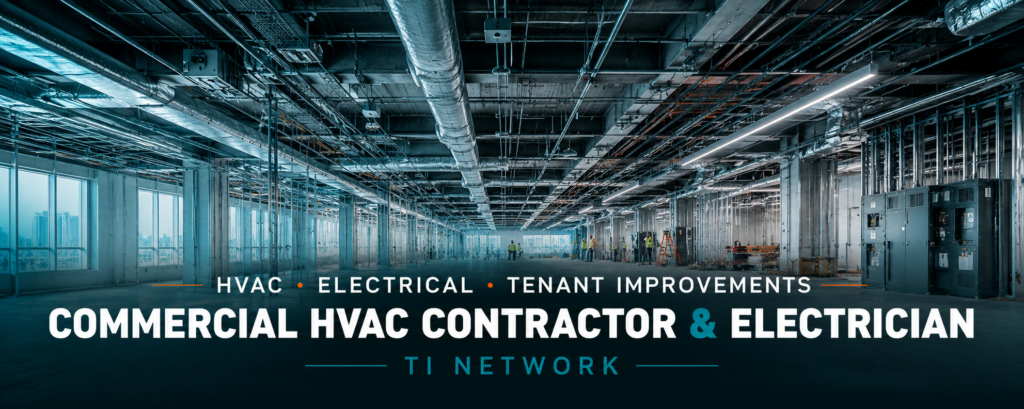
Louisville serves as Kentucky’s largest city and a major logistics, healthcare, and manufacturing hub, home to one of the world’s busiest air cargo hubs, a substantial bourbon and hospitality industry, and a growing healthcare and insurance sector anchored by major regional employers. This diverse economic base has kept demand steady for tenant improvements and interior renovations across office, medical, hospitality, and industrial properties throughout the metro area, from downtown high-rises near Fourth Street Live to logistics facilities surrounding the UPS Worldport hub.
A contractor managing a tenant improvement in Louisville typically begins with a detailed evaluation of the existing space’s structural conditions, mechanical systems, and code compliance status before any design work moves forward. Projects commonly involve space planning, permitting through Louisville Metro Government, demolition, framing, mechanical and electrical coordination, plumbing, flooring, ceilings, lighting, and final inspections, all coordinated around a tenant’s operating schedule or a property owner’s leasing timeline.
Tenant Improvement Contractor Near Me provides educational resources that help Louisville business owners, property managers, developers, and commercial real estate professionals better understand tenant improvements, interior renovations, and commercial remodeling throughout the city.
Louisville’s humid subtropical climate, with hot summers and mild winters, requires careful planning around HVAC capacity and moisture management, particularly for renovations involving older buildings with aging mechanical infrastructure.
Hospitality and Bourbon Industry Renovations
Louisville’s growing reputation as a bourbon tourism destination has driven significant investment in renovating historic downtown buildings for distilleries, tasting rooms, restaurants, and hospitality venues throughout Whiskey Row and the surrounding district. These renovations often require balancing historic preservation considerations with the practical demands of modern hospitality operations.
Because many of these buildings feature historic architectural elements, renovation projects in this category require a contractor experienced in navigating both historic preservation requirements and current building and fire code compliance.
Whiskey Row’s transformation from a collection of vacant historic buildings into one of downtown Louisville’s most vibrant commercial districts stands as a notable example of how thoughtful renovation investment can reshape an entire neighborhood’s economic trajectory.
Property owners considering a downtown Louisville office renovation should also evaluate how the building’s parking availability and street-level presence compare to newer competing properties, since these factors significantly shape a prospective tenant’s overall impression during a site visit.
- Historic building preservation and restoration
- Commercial kitchen and bar infrastructure
- Guest-facing finishes and hospitality systems
- Fire suppression and life safety upgrades
Because hospitality tenants often need to open in time for specific tourism seasons or events, scheduling reliability is one of the most important qualities to look for in a Louisville contractor.
The continued growth of Louisville’s bourbon tourism industry has sustained strong demand for well-executed hospitality renovations throughout downtown and the surrounding neighborhoods.
The bourbon industry’s continued growth has created ripple effects throughout Louisville’s broader hospitality and tourism economy, supporting hotel renovations, event venue improvements, and restaurant build-outs well beyond the immediate distillery district as visitor numbers continue climbing year over year.
Louisville’s downtown office landscape continues to benefit from public investment in streetscape and infrastructure improvements surrounding Fourth Street Live, reinforcing private property owners’ confidence in continuing to invest in their own building renovations alongside this broader downtown momentum.
Downtown Office Renovations Near Fourth Street Live
Louisville’s downtown office market, concentrated around Fourth Street Live and the broader central business district, features a mix of historic buildings and modern office towers, each presenting distinct renovation considerations. Office renovations in this area often involve modernizing layouts, updating aging mechanical and electrical systems, and refreshing finishes to compete with newer suburban developments.
Modern Louisville office tenants increasingly request open, collaborative floor plans and updated technology infrastructure, often requiring substantial interior renovation of older downtown buildings originally designed around more traditional layouts.
Louisville’s mix of historic and modern downtown architecture creates a uniquely varied renovation landscape, where a single block might contain both a century-old building requiring careful preservation work and a modern tower suited to conventional commercial construction methods.
Hospitality operators new to the Louisville bourbon tourism market benefit from engaging a contractor early in the site selection process, since an experienced local contractor can identify potential infrastructure limitations tied to historic building conditions before a lease is finalized.
- Open-concept and collaborative office layouts
- Updated electrical and data infrastructure
- Conference room and reception renovations
- Improved accessibility throughout the building
Office renovations in downtown Louisville also frequently need to address accessibility requirements and updated fire and life safety systems, particularly in older buildings constructed well before current code requirements took effect.
A general contractor familiar with Louisville Metro’s permitting process can help property owners and tenants avoid unnecessary delays during plan review and inspection.
Louisville’s downtown revitalization has extended well beyond Fourth Street Live, with adjacent neighborhoods such as NuLu and Butchertown attracting significant renovation investment as creative businesses, restaurants, and boutique retailers convert former industrial buildings into distinctive commercial space that draws both locals and tourists.
Distillery tourism operators evaluating a downtown Louisville location often weigh the premium cost of prime Whiskey Row real estate against the marketing value of an address closely associated with the city’s bourbon heritage, a calculation that continues to favor investment in this historic district despite higher renovation costs tied to preservation requirements.
Warehouse and Logistics Facility Improvements
Louisville’s position as home to UPS Worldport and an extensive network of supporting logistics operations has made the metro area one of the country’s most significant distribution hubs. Warehouse improvements commonly involve upgrading dock areas, racking systems, lighting, and office space within a larger warehouse shell to support evolving logistics operations.
As e-commerce continues to expand, many Louisville-area warehouse and distribution facilities are being reconfigured to support higher throughput and updated technology infrastructure for inventory management and order fulfillment.
The scale of UPS Worldport’s operations, processing hundreds of thousands of packages nightly, underscores just how central logistics infrastructure has become to Louisville’s overall economic identity.
Because many Louisville medical buildings were not originally designed for clinical use, converting existing office space into a medical suite frequently requires more extensive plumbing and electrical modifications than a comparable project in a purpose-built facility.
- Dock door and loading area improvements
- Racking system upgrades and reconfiguration
- Warehouse office and mezzanine build-outs
- Lighting and safety system upgrades
Because distribution operations frequently run on tight shipping schedules or around-the-clock shifts, construction sequencing that minimizes disruption to ongoing operations remains a top priority for most Louisville warehouse projects.
A contractor experienced with Louisville’s industrial permitting requirements can help logistics tenants navigate the approval process efficiently, particularly for projects involving significant electrical upgrades.
UPS Worldport’s around-the-clock operations have shaped an entire ecosystem of supporting businesses throughout Louisville, from trucking and logistics companies to specialized maintenance and support services, each contributing to sustained demand for both industrial and office space improvements.
Specialty medical practices considering a Louisville location frequently cite the city’s central location within the broader Ohio Valley region, providing convenient access to patients from southern Indiana and beyond, as a meaningful factor supporting practice growth and continued facility investment.
Medical and Healthcare Facility Renovations
Louisville’s substantial healthcare sector, including major hospital systems and healthcare-related corporate headquarters, generates consistent demand for medical office renovations throughout the metro area. Medical build-outs differ significantly from standard office renovations because they must accommodate exam rooms, specialized plumbing, and stricter accessibility requirements.
A medical facility renovation in Louisville typically requires close coordination between the contractor, the practice’s equipment vendors, and, in multi-tenant medical buildings, property management overseeing the broader facility.
Louisville’s academic medical centers continue to expand research and clinical partnerships that further drive demand for specialized medical office and laboratory-adjacent space throughout the metro area.
Warehouse and distribution tenants evaluating Louisville locations near Worldport often prioritize clear height, dock door ratios, and trailer parking capacity alongside the general condition of any existing office component within a facility.
- Exam room and treatment area build-outs
- Medical-grade plumbing and electrical upgrades
- Waiting room and reception renovations
- ADA-compliant restroom and corridor improvements
Because many medical practices cannot afford extended closures, Louisville medical office renovations are frequently planned around phased construction that allows part of a practice to continue operating while another portion is renovated.
Working with a contractor who understands the specific infrastructure needs of medical tenants helps prevent costly design changes once construction is already underway.
Louisville’s status as a regional healthcare hub extends its reach well beyond the immediate metro area, drawing patients from across Kentucky and southern Indiana, a dynamic that continues to support expansion of outpatient facilities and specialty practices throughout the city’s medical office market.
Third-party logistics providers operating near Worldport increasingly request renovations that improve technology infrastructure to support automated sorting and tracking systems, reflecting the broader industry shift toward higher levels of automation throughout the logistics sector.
Budget Planning and Construction Scheduling for Louisville Projects
Commercial renovation costs in Louisville vary considerably depending on the scope of work, the condition of the existing space, and the finish level selected by the tenant or property owner. Renovations within a previously finished space typically cost less than projects involving significant demolition and new mechanical, electrical, or plumbing work.
Establishing a realistic budget early in the planning process, before finalizing design decisions, helps property owners and tenants avoid costly changes once construction is already underway.
Louisville Metro’s consolidated city-county government structure has streamlined certain permitting processes compared to jurisdictions with more fragmented municipal boundaries.
Retail centers and mixed-use developments with shared common areas require particularly careful construction sequencing to avoid disrupting pedestrian flow and visibility for neighboring tenants during a Louisville renovation project.
- Existing conditions and demolition scope
- Mechanical, electrical, and plumbing upgrades
- Finish level and material selections
- Permitting and inspection timelines
Construction timelines in Louisville depend heavily on permitting review times through Louisville Metro Government, which should be factored into the overall project schedule from the outset.
Comparing multiple contractor bids based on scope and specification, rather than price alone, generally leads to a more informed decision about which proposal represents the best long-term value.
Obtaining a detailed, itemized proposal from each contractor under consideration makes it considerably easier for Louisville property owners to compare bids accurately and understand which specific scope items are driving cost differences between competing proposals.
Property managers overseeing occupied-space renovations in Louisville’s mixed-use downtown buildings benefit from coordinating closely with neighboring hospitality and retail tenants, since construction noise and access changes can meaningfully affect the guest experience for businesses serving tourists and convention visitors.
Planning an Occupied-Space Renovation in Louisville
Many Louisville commercial renovations take place while a business continues to operate within all or part of the same building. Occupied-space construction requires additional planning around dust containment, noise management, and safe separation between construction activity and daily business operations.
Successful occupied-space projects typically rely on phased construction schedules that isolate work areas, temporary partitions or barriers to control dust and noise, and clear communication with employees, customers, or patients about which areas remain accessible throughout construction.
Businesses evaluating occupied-space renovation timelines in Louisville should factor in the city’s active convention and tourism calendar, which can affect contractor and material availability during peak seasons.
Louisville property owners planning a significant renovation should build a reasonable contingency into their budget to account for the possibility of unexpected conditions in older buildings throughout the downtown core.
- Phased construction scheduling
- Temporary dust and noise containment
- After-hours and weekend work windows
- Clear communication with employees and customers
Businesses in busy downtown Louisville buildings often need construction crews to work outside normal business hours to avoid disrupting customers or coworkers during the day.
Thoughtful project management and consistent communication between the contractor, property manager, and tenant help occupied-space renovations proceed smoothly while minimizing operational impact.
Property managers overseeing occupied-space renovations in Louisville’s historic downtown buildings often find it valuable to coordinate closely with preservation officials when construction activity might affect character-defining architectural features protected under local historic district guidelines.
Louisville contractors who provide detailed, phased payment schedules tied to specific project milestones generally give property owners greater budget predictability and confidence throughout a multi-month renovation project.
Louisville's Diverse and Growing Commercial Economy
Louisville’s economy has diversified considerably beyond its historical manufacturing base, now encompassing logistics, healthcare, hospitality and tourism, and a growing corporate presence, each contributing to demand for different types of commercial space throughout the metro area.
The continued growth of Louisville’s bourbon tourism industry, combined with the city’s logistics and healthcare strength, has created a diversified economic base that continues to support commercial construction activity across the city.
Louisville’s growing reputation extends beyond bourbon to encompass a broader culinary and cultural renaissance that continues to attract new residents and businesses alike.
Local contractor references carry particular weight in Louisville’s close-knit business community, where property owners frequently rely on word-of-mouth recommendations when selecting a partner for a significant renovation investment.
- Diversifying economic base beyond manufacturing
- Growing bourbon tourism industry
- Strong logistics and distribution presence
- Expanding healthcare and insurance sector
Property owners and businesses evaluating long-term investment in Louisville commercial real estate benefit from understanding this broader economic context, since it directly informs both property values and renovation planning decisions.
As Louisville continues to grow and diversify, property owners who invest proactively in updated, well-maintained commercial space are generally better positioned to attract quality tenants.
As more visitors continue to discover Louisville’s bourbon heritage and vibrant downtown scene, competition for well-located hospitality and retail space has intensified, rewarding property owners who invest proactively in renovation and modernization.
Contractors with established Louisville Metro relationships often navigate historic district review processes more efficiently than firms without this specific local experience, particularly for projects involving Whiskey Row or other protected downtown districts.
Choosing the Right Contractor for a Louisville Renovation
Selecting a contractor for a Louisville commercial renovation involves evaluating experience with similar project types, familiarity with Louisville Metro’s permitting process, and the ability to coordinate all trades required for the project.
A contractor’s communication style and project management approach are just as important as construction experience, since clear updates throughout design, permitting, and construction help property owners and tenants make timely decisions.
Contractors serving Louisville’s diverse commercial sectors benefit from maintaining broad trade relationships spanning historic restoration, modern build-out, and industrial construction specialties.
- Relevant project type experience
- Familiarity with Louisville Metro permitting
- Clear project communication and scheduling
- Coordination across all required trades
Asking a prospective contractor how they handle scheduling conflicts, unexpected existing conditions, and communication during construction can reveal a great deal about how a project is likely to be managed.
Reviewing a contractor’s history with similar Louisville-area projects, particularly those involving comparable building types, helps property owners gauge how well a contractor is likely to perform on their specific renovation.
Contractors experienced with Louisville Metro’s specific permitting practices generally navigate plan review more efficiently than those working in the jurisdiction for the first time, translating into meaningful schedule savings for time-sensitive projects.
Frequently Asked Questions About Louisville Tenant Improvements
Business owners, tenants, and property managers throughout Louisville often have similar questions before starting a commercial construction project. The following questions address some of the most common topics that come up during early project planning.
Louisville’s business community increasingly values contractors who understand both the city’s historic character and its forward-looking economic ambitions.
Energy-efficient renovations in Louisville offer benefits beyond code compliance, including improved marketability to environmentally conscious tenants throughout the region.
- Cost factors
- Project timelines
- Permitting considerations
- Contractor selection
What is included in a typical Louisville tenant improvement?
A typical improvement includes space planning, demolition of unneeded elements, framing, mechanical, electrical, and plumbing work, flooring, ceilings, lighting, and finish installation, along with the permitting and inspections required through Louisville Metro Government.
How long does a Louisville commercial renovation usually take?
Timelines vary based on scope, but most office and hospitality build-outs take several weeks to a few months from permit issuance to completion, while larger projects can take longer.
Can a renovation be completed while my business stays open?
In many cases, yes. Phased construction schedules, temporary barriers, and after-hours work can allow a business to continue operating in part of the space while another portion is under construction.
What permits are typically required for a commercial renovation?
Most projects require a building permit at minimum, with additional permits for electrical, mechanical, plumbing, or fire protection work depending on the scope.
What factors affect the cost of a tenant improvement?
The condition of the existing space, the extent of demolition required, the complexity of mechanical and electrical upgrades, and the selected finish level all significantly influence overall project cost.
Long-Term Building Performance and Energy Efficiency
Modern Louisville commercial renovations increasingly emphasize energy efficiency, flexibility, and durability suited to Kentucky’s humid subtropical climate and rising tenant expectations around operating costs. Upgrading HVAC systems, lighting, and building envelopes can meaningfully reduce a property’s long-term energy expenses.
Moisture management is a particularly important consideration in Louisville renovations, given the region’s humid summers, making proper building envelope detailing essential for long-term durability.
Energy costs in Kentucky remain comparatively favorable, though this advantage makes efficiency upgrades no less valuable for long-term operational savings.
- Energy-efficient HVAC and building envelopes
- Moisture-resistant building materials
- Durable, low-maintenance finishes
- Flexible floor plans for future reconfiguration
These improvements help Louisville commercial properties remain competitive as tenant expectations around sustainability and operating efficiency continue to rise.
Property owners who invest in energy-efficient upgrades often see a meaningful return through reduced utility costs and improved tenant satisfaction over the life of the building.
Louisville’s relatively affordable cost of commercial construction compared to larger coastal metro areas continues to attract businesses seeking to stretch their capital investment further while still accessing a major logistics and healthcare hub.


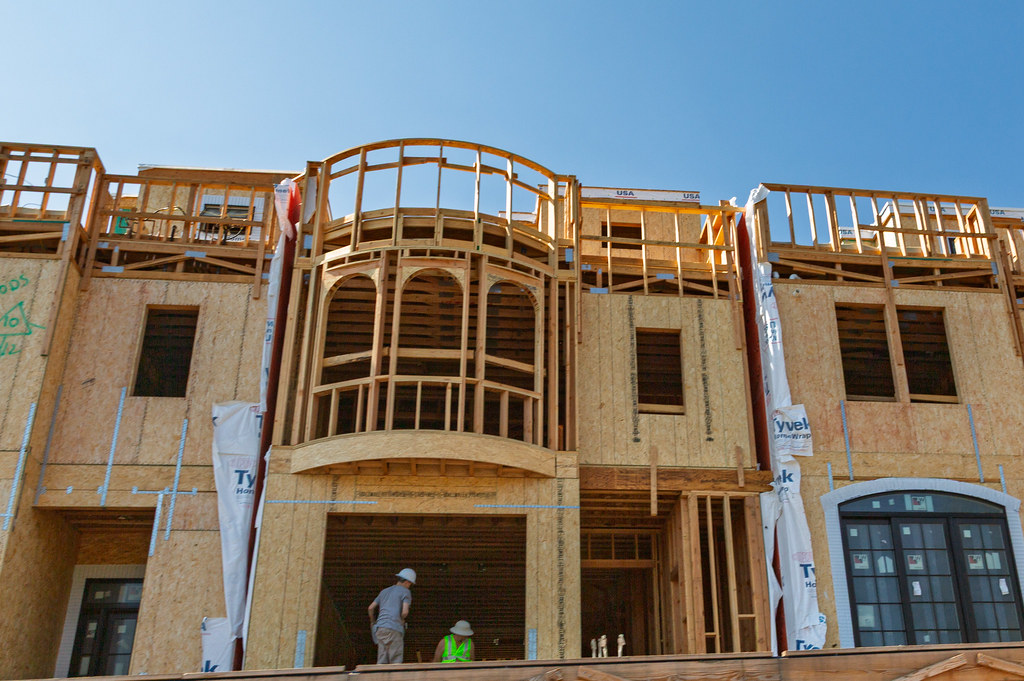
Why Louisville Businesses Choose Experienced Renovation Contractors
Louisville’s diverse economy, spanning logistics, healthcare, hospitality, and a growing corporate presence, has created an active commercial construction market throughout the metro area. Businesses and property owners navigating this environment benefit from working with a contractor who understands how these different sectors and Louisville Metro’s permitting requirements affect a project’s planning and construction.
Tenant Improvement Contractor Near Me provides educational resources that help Louisville business owners, property managers, developers, and commercial real estate professionals better understand tenant improvements, interior renovations, and commercial remodeling, from initial planning through final inspection and occupancy.
Every Louisville commercial property comes with its own structural conditions, mechanical systems, and code requirements. Taking the time to properly evaluate a space before finalizing design decisions helps property owners and tenants avoid unnecessary costs and delays once construction begins.
Explore Kentucky and Commercial Construction Resources
Continue exploring commercial construction and tenant improvement resources across Kentucky and beyond, including related service pages that apply broadly to office, hospitality, and industrial renovation projects.
Whether your project involves a historic downtown renovation or a modern logistics facility improvement, these resources provide additional context on service types and construction terminology that apply broadly across Kentucky’s commercial markets.
Louisville rewards proactive planning over reactive scrambling, every single time.
- Kentucky Commercial Build Out Contractor
- Hospitality
- Hotels
- Restaurant Tenant Improvement Contractor
- Distribution Centers
- Logistics Centers
- Medical Office Tenant Improvement Contractor
- Commercial Renovation Contractor
- Financial Institutions
- What Is a TIA? Tenant Improvement Allowance
- Request a Quote
Ready to Start Your Louisville Interior Renovation?
Licensed commercial general contractor serving tenant improvement and build-out projects across the San Francisco Bay Area.
Popular Service Areas
© 2026 Tenant Improvement Licensed Contractors. All rights reserved.